Buying a used car is a smart way to save money, but it’s important not to rush into a decision. Every car has its own story, and some problems aren’t obvious at first glance. Take your time, do plenty of research, and give the car a careful inspection to avoid surprises and extra costs. Here’s what to keep in mind when shopping for a used car.
Check car history
Start by requesting a car history report. Services like Carfax or AutoCheck use the vehicle identification number (VIN) to show past accidents, title status, ownership, and maintenance history. Confirm the VIN matches the car, title, and reports. Also, check the NHTSA recall database for open recalls.
Avoid cars with major accidents, many owners, or title problems. While a good history report is a strong sign of care, it’s not a full guarantee.
Check the exterior of the car
Examine the car’s exterior for visible issues. Mismatched paint, dents, rust, or uneven panel gaps may indicate past accidents. Check all doors, windows, mirrors, and lights. Inspect tires for uneven wear, which might mean alignment or suspension problems.
Inspect under the hood
Open the hood to check the engine area. Look for leaks, rust, or worn belts and hoses. Check oil and transmission fluid. Oil should be clean and amber; transmission fluid should be pink or red. Dark, dirty, or milky fluids may signal problems. Check the battery for rust and ensure all caps and covers are present. If unsure, ask a reputable mechanic to inspect before buying.
Take the car for a test drive
Test-driving shows if the car is comfortable and how it performs. Try it on city streets and highways. Focus on how the engine starts, idles, and responds. Listen for odd noises, and watch how it handles, steers, rides, and brakes. Check the dashboard warning lights and make sure the radio, air conditioner, headlights, and hazard lights work. Be sure to take your time during the test drive, and don’t let the seller rush or pressure you.
Purchase from a reputable source
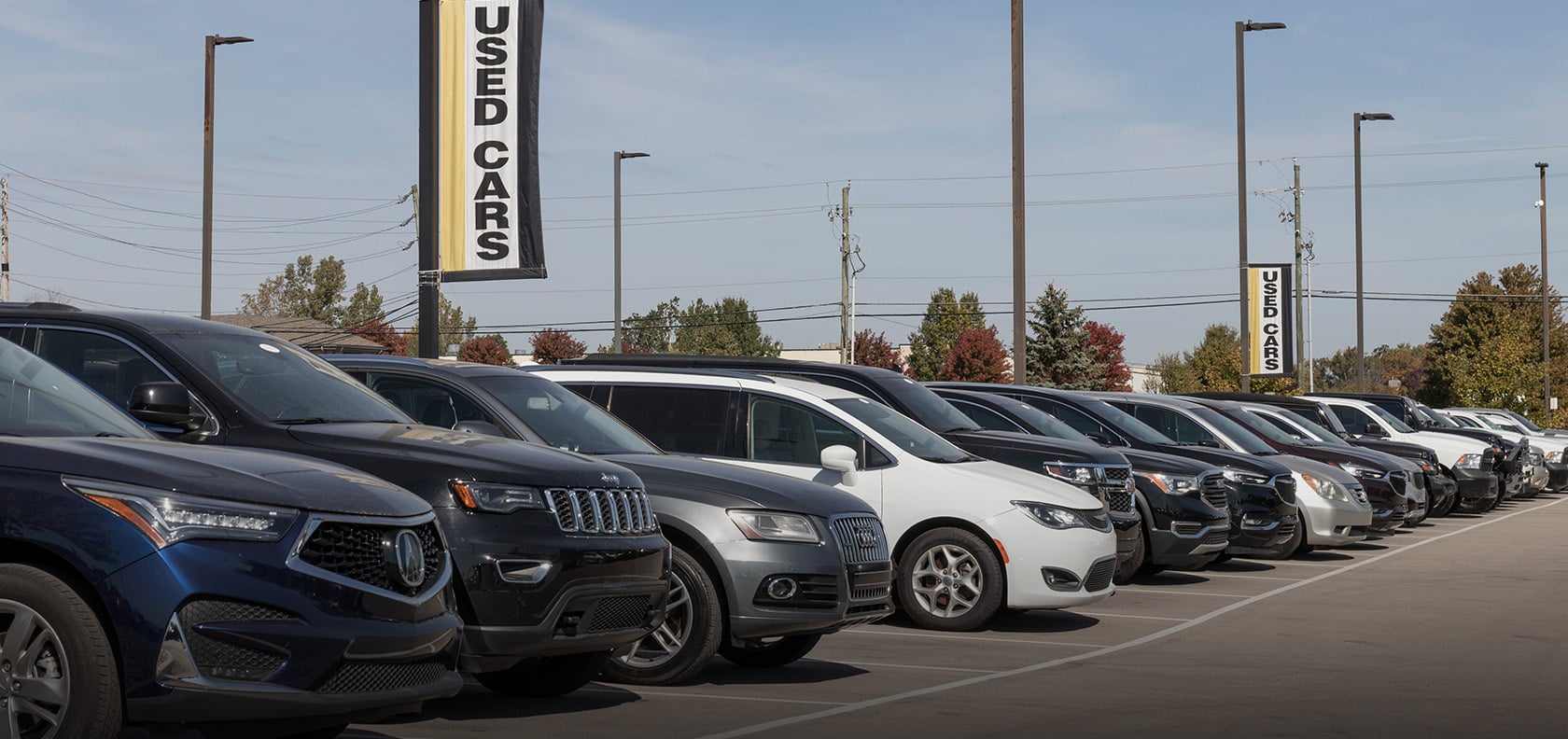
When you’re ready to purchase, buy from a trusted dealership or a seller known for reliability. Reputable dealers often provide certified pre-owned cars that have passed thorough inspections and come with warranties for peace of mind. Research the dealer or seller online, read reviews, and check for any issues. Ask questions about the car’s inspection history, warranty options, and the return policy. Be sure all promises and terms are put in writing before you finalize the deal. This protects you from possible misunderstandings or disputes down the road.
We hope these tips help with buying a used car. After your purchase, ensure you also have the right auto insurance coverage by having your independent agent review your policy. If you are not a Mapfre customer yet, you can get a fast, free quote today on your car insurance to get outstanding coverage at a great price.