In Connecticut, regular passenger vehicles such as cars, SUVs, pickups, or motorcycles don’t need routine safety inspections; only commercial vehicles do. If you’re registering your vehicle for the first time in Connecticut, you must complete a VIN verification, no matter where the car came from.
Once your vehicle is more than four years old, you’ll need to bring it in for a Connecticut emissions test every two years. These tests are important because they help keep our air clean and make sure cars meet both state and federal standards.
What is an emissions test?
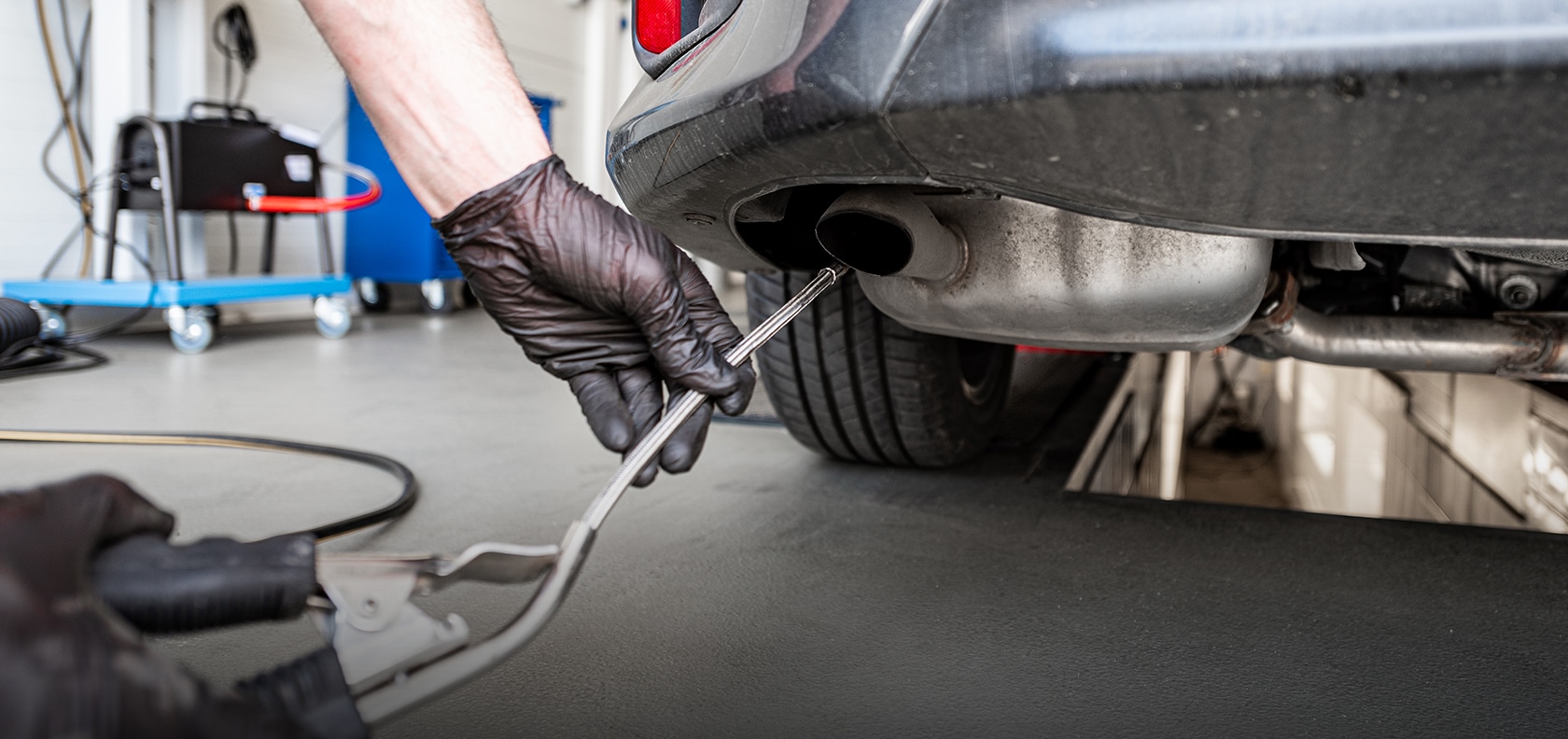
An emissions test measures how much pollution comes out of your car’s exhaust, like carbon monoxide and other gases. Passing this test means your car helps protect the environment and the health of everyone in your community.
What is checked during a Connecticut emissions test?
During your Connecticut emissions test, inspectors will look at a few key things, such as:
• Check Engine Light: Making sure it works and isn’t on because of emissions problems.
• On-Board Diagnostics (OBD): Scanning your car’s computer for any trouble codes.
• Gas Cap: Checking that it seals tightly so fuel vapors don’t leak.
• Exhaust System: Looking for leaks or any missing parts.
• Catalytic Converter: Making sure it’s there and undamaged.
• Visible Smoke: Checking that your car isn’t producing too much smoke.
• Tailpipe Emissions (for older vehicles): Testing older cars for exhaust pollution.
If your car passes the test, you’ll get a Vehicle Inspection Report (VIR) with your results and a reminder of when your next inspection is due.
What causes a car to fail an emissions test?
There are a few common reasons why a car might not pass an emissions test, such as:
• Missing or improperly installed catalytic converter.
• A check engine (MIL) light that’s on or not working properly.
• OBD readiness monitors that aren’t set, or problems with OBD communication.
• Too much pollution from the tailpipe or a gas cap that doesn’t pass the pressure test.
• Too much smoke is coming out during the acceleration test.
What happens if your car fails its Connecticut emissions test?
If your car doesn’t pass the Connecticut emissions test, it means it’s emitting more pollution than allowed for its age and model. The test center will give you a detailed Vehicle Inspection Report that explains exactly why your car failed.
To get things fixed, bring your car to a professional repair technician, ideally at a Certified Emissions Repair Facility. You’ll need to have the repairs done and your car retested within 60 days. If your car still doesn’t pass after repairs, you may qualify for a cost waiver if you had the work done at a certified facility and meet the requirements. Some emission parts might also be covered under your manufacturer’s warranty for up to eight years or 80,000 miles if the issue is due to a defect.
Getting your emissions test done in Connecticut is simple. The DMV offers plenty of testing locations, flexible hours, and fee information. You can even sign up online to get reminders when your next test is due.
Remember to keep your Mapfre Connecticut auto insurance policy current by contacting an independent agent in Connecticut.