In 2023, local fire departments responded to an estimated 1,560,500 fires nationwide. These incidents resulted in 3,790 civilian deaths, 13,250 civilian injuries, and approximately $18 billion in property damage. Of the reported fires, 17% were rubbish fires, 8% were outside fires involving property of value, and another 5% were classified as “other,” according to the National Fire Protection Association (NFPA).
Before building or installing a fire pit, check with your local fire department to see if it is allowed, as each community has its own rules. In some states, like Massachusetts, unless a fire pit is used for cooking, it is subject to the state’s Department of Environmental Protection’s open burning regulation. Even if fire pits are allowed in your community or state, keep in mind that burn bans may be in place during certain times due to inclement weather and dry conditions.
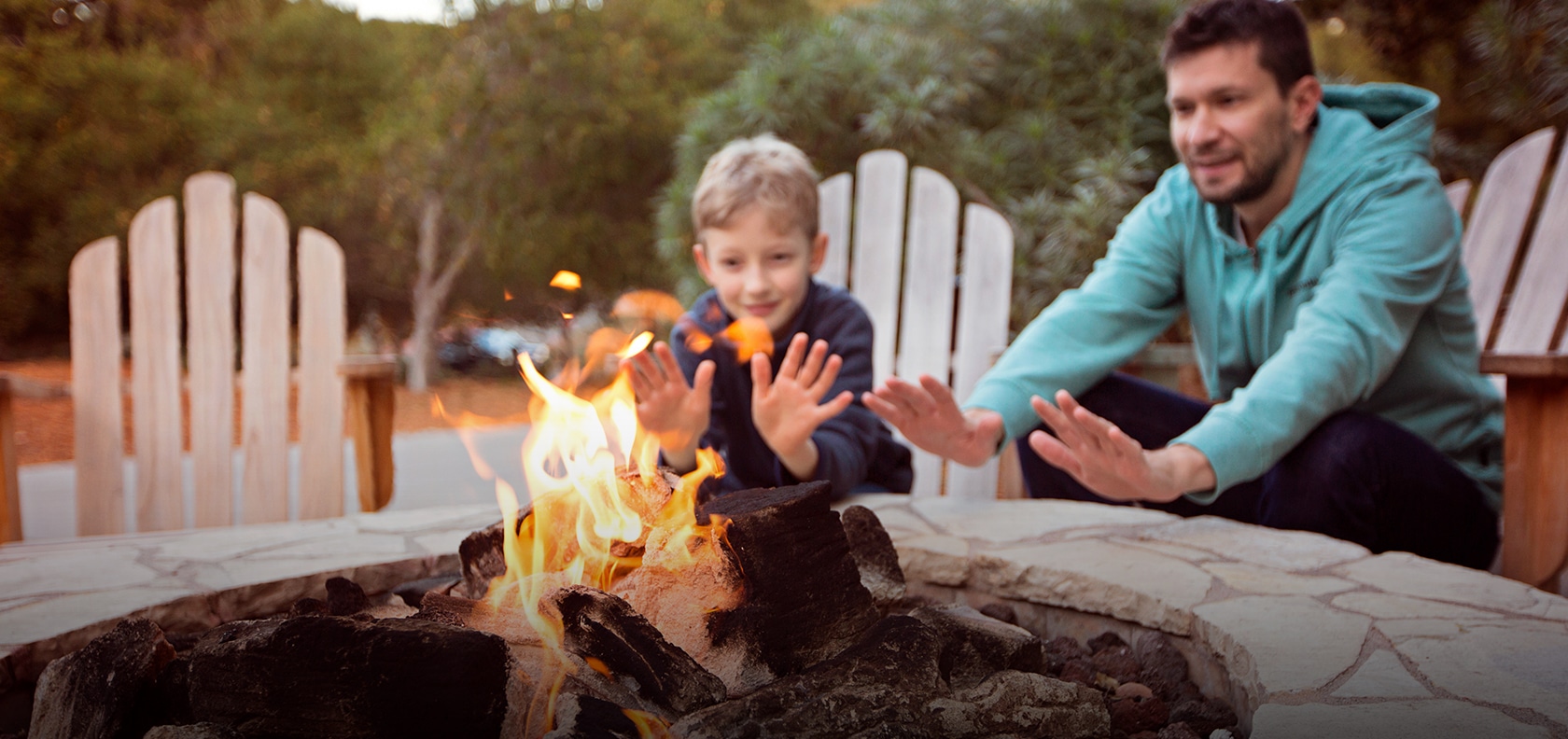
Fire pits should be built out in the open, at least 6-10 inches off the ground, and at least 10 feet away from your home and other structures. They should also be built on a metal or non-combustible base. Fire pits should never be placed underneath the overhang of your home, beneath trees, or under power lines.
Before lighting your fire pit, ensure your fire does not get out of control. The NFPA recommends the following to reduce the risk of igniting your home and nearby surroundings:
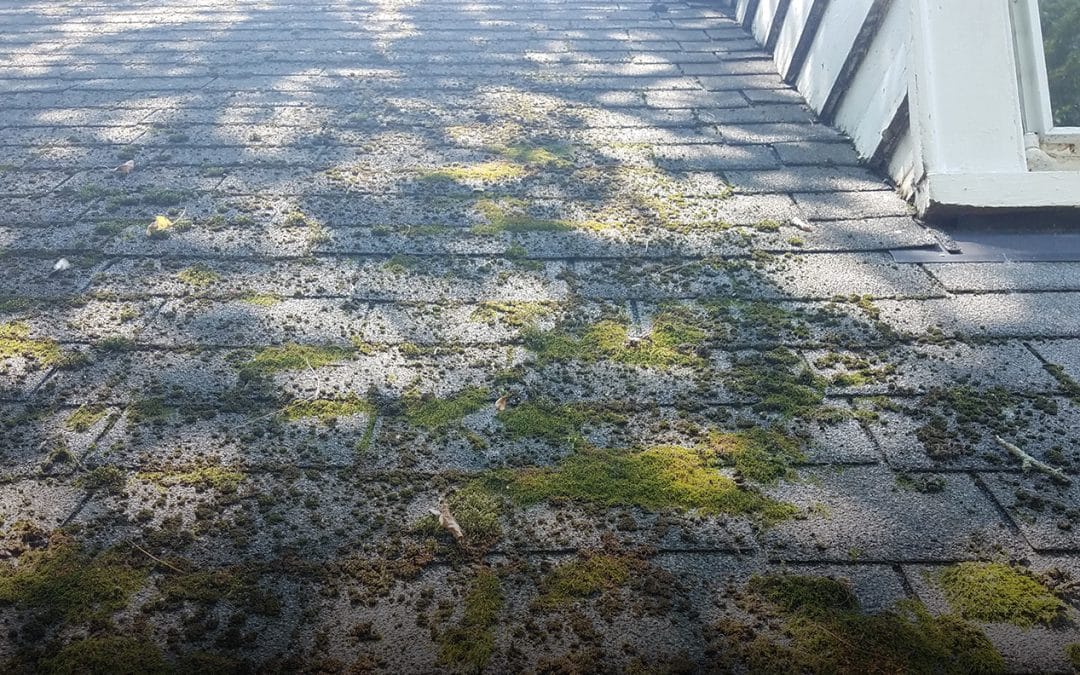
- Clean gutters of debris.
- Clear away leaves and needles around the house (at least 5 feet away).
- Keep flammable materials away from exterior walls (mulch, flammable plants, firewood piles).
- Remove anything flammable from around the fire pit and from storage under decks or porches.
Once you have your fire pit ready to go, fire experts recommend that you:
- Check weather conditions and don’t use your fire pit on windy days, as the kindling could blow sparks to nearby structures and brush.
- Use a metal screen over the fire pit to keep sparks from flying out.
- Burn only clean, dry firewood to minimize smoke.
- Do not burn materials like plywood, pressure-treated boards, or chemically treated wood pallets, as they emit toxic fumes.
- Do not burn trash or refuse.
- Keep the fire to a reasonable size.
- Do not leave the fire unattended or attended by someone under 18 years old.
And before you head inside for the night, make sure you completely put out the fire in the pit. In the event your fire gets out of control or accidentally spreads beyond the fire pit, make sure you have a garden hose or bucket of sand nearby to douse the flames. A dry-chemical fire extinguisher is also a good option. When in doubt, call your local fire department for help.
We hope these tips will help keep your family and home safe from preventable fires caused by fire pits. To ensure you get the right coverage for your home insurance, ask a local, independent agent in your state or get a fast, free quote in Massachusetts today to see if you could save!