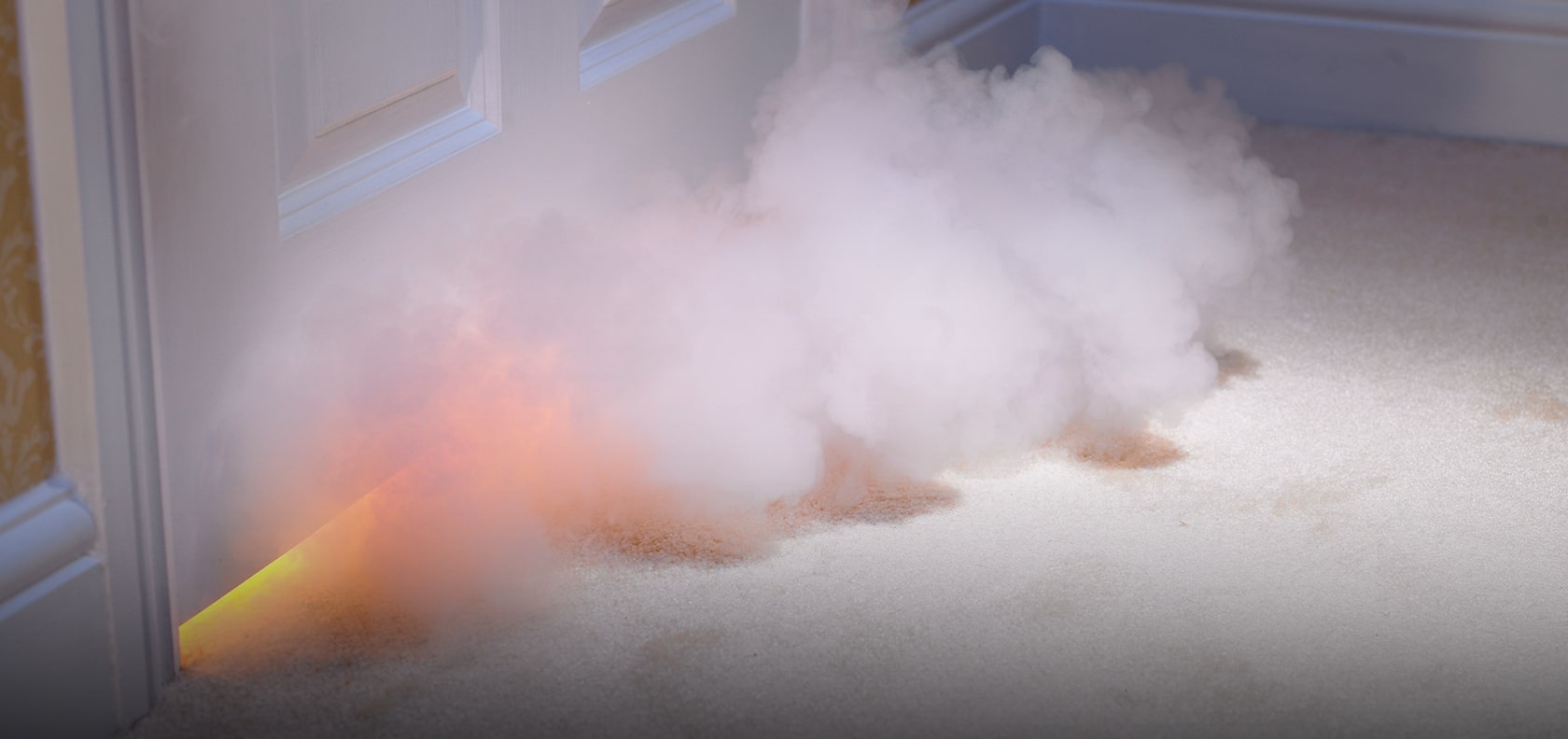
Fire departments across the United States responded to 1,353,500 fires in 2021, according to statistics compiled by the National Fire Protection Association (NFPA). These fires resulted in 3,800 civilian deaths, 14,700 civilian injuries and $15.9 billion in property damage.
Among the leading causes of home fires are cooking, heating, electrical distribution and lighting equipment, intentional fire setting, and smoking materials, according to the NFPA.
“Today’s homes burn faster and hotter than they used to, minimizing the amount of time they have to escape safely,” said Lorraine Carli, Vice President of the NFPA Outreach and Advocacy division. “In a typical home fire, you may have as little as two minutes to get out from the time the smoke alarm sounds.”
During the NFPA’s Fire Prevention Week, fire officials are stressing the importance for home owners to develop an escape plan with members of their family in the event a fire occurs.
Some key recommendations from the NFPA are:
- Make sure smoke alarms are installed on every level of your home and inside every room where a family member sleeps
- Smoke alarms should be interconnected so when one sounds, they all sound
- Insure that every family member knows an escape plan in the event of a fire and that the plan meets the needs of everyone – including those with sensory or physical disabilities
- Make sure everyone knows at least two ways out of every room, if possible
- Make sure all doors and windows open easily
In addition, the NFPA recommends having a centralized outside meeting place a safe distance from your home where family members should go in the event you should have to evacuate. That way everyone is meeting in the same location and can be accounted for to let the fire department know if everyone made it out OK or if there is someone else who may still be in the building needing help.
We hope these tips will help to keep your family and home protected. And remember, to ensure you get the right protection for your home and auto insurance in Massachusetts, you can always get a fast, free quote from Mapfre today.