Home is where we go to relax and where we feel most welcome. It’s our refuge from our busy lives and where we feel the safest. However, homes also contain many hazards, including household chemicals and hazardous materials. These chemicals can be used virtually anywhere including the kitchen, bathroom, basement, and garage.
The Environmental Protection Agency (EPA) defines household wastes that are toxic, corrosive, ignitable, or reactive as Household Hazardous Waste (HHW).
Among the common household items that are considered hazardous are:
- Aerosol cans (cooking products, hairspray, deodorants, sunscreens, air fresheners, and cleansers)
- Nail polish and nail polish remover
- Alcohol-based products (rubbing alcohol and hand sanitizer)
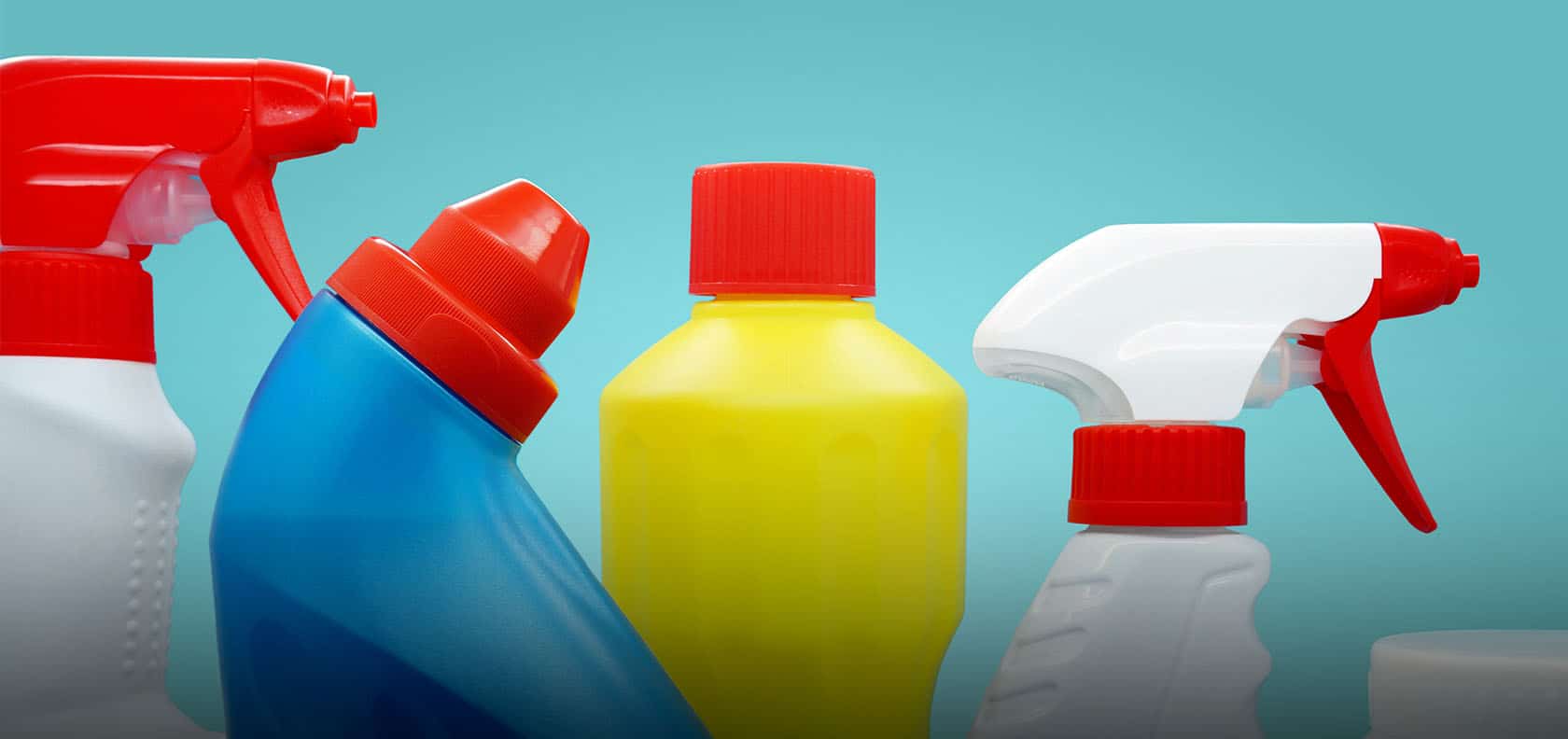
- Household cleaning products (dishwashing liquid, chlorine bleach, rug and upholstery cleaners, and oven cleaners)
- Laundry products (detergent, pods, fabric softeners, and stain removers)
- Polishes (furniture, floor, and shoe)
- Batteries
- Heating products (kerosene, home heating oil, propane tanks, and lighter fluid)
- Automotive products (antifreeze, brake fluid, motor oil, and automobile batteries)
- Workshop and painting supplies (paint thinners and turpentine)
- Lawn and garden products (pesticides, fertilizer, herbicides, and insecticides)
- Compressed gas tanks
Items like televisions, computer monitors, cell phones, microwave ovens, and printers may also contain hazardous materials like lead, copper, chromium, and cadmium and should not be discarded in the trash. Most communities require special disposal of these items.
Storing hazardous household materials
To help reduce the risk of injury, an explosion, or fire, it’s essential to know how to store household hazardous materials and dispose of them properly. The EPA and the Federal Emergency Management Agency (FEMA)’s Ready.gov recommend the following:
- Only store household chemicals in places children and pets can’t get to and lock or childproof cabinets and storage areas in homes with children.
- Keep products containing hazardous materials in their original containers and never remove the labels unless the container is corroding. Be sure to clearly label both the corroding container and new one.
- Wear gloves and goggles when you use hazardous chemicals.
- Never mix household hazardous chemicals or waste with other products like chlorine bleach and ammonia as they may react, ignite, or explode.
- Never use hazardous or flammable products like hair spray, cleaning solutions, paint products or pesticides near an open flame or heat source.
- Only fill portable gasoline containers in an outdoor, airy area. The container should be placed on a flat ground when being filled.
Disposing of hazardous household materials
When it’s time to get rid of something you don’t need or use anymore, first look to the instructions on the label.
The EPA strongly recommends not pouring household hazardous waste down the drain, on the ground, or into storm sewers. Federal law allows disposing household hazardous materials with other household wastes, but some states do not. Check with your state to make sure you’re handling the disposal of these materials correctly.
Many states and local waste management offices hold collection days or drop off sites to dispose of materials properly. Residents can usually contact their city hall or find the information on their town’s website.
We hope these tips will help to keep your family and home protected. Make sure you also have the right insurance coverage for your home with MAPFRE by talking to an independent agent in your state. And if you’re not yet insured with us and are a Massachusetts resident, you can always get a fast, free quote from MAPFRE today for your home or auto.