Your home is more than just a roof over your head. It’s also one of your most valuable assets. That’s why it’s crucial to make sure your homeowner’s insurance not only protects you but also provides comprehensive coverage for a wide range of situations.
Being underinsured can expose you to financial risk when the unexpected happens. To help prevent that, the Insurance Information Institute (III) recommends asking your independent agent these important questions:
- Do I have enough insurance to rebuild my home if it’s a total loss?
- Do I have the right coverage for replacing my possessions?
- Am I covered for additional living expenses if I can’t stay in my home?
- Do I have enough protection to safeguard my assets and way of life?
Home upgrades can also affect your coverage needs. If you’re making changes, such as adding a room, remodeling a bathroom, enclosing a porch, or installing a pool or hot tub, the III warns you could be underinsured if these improvements aren’t reported to your insurer.
So what policy updates should you consider after a renovation? We’ll walk you through the key changes to keep your home and lifestyle protected in every situation.
Home additions and remodels
If you are adding to your home and modifying your floor plan, it’s recommended that you increase your dwelling coverage to account for the additional square footage.
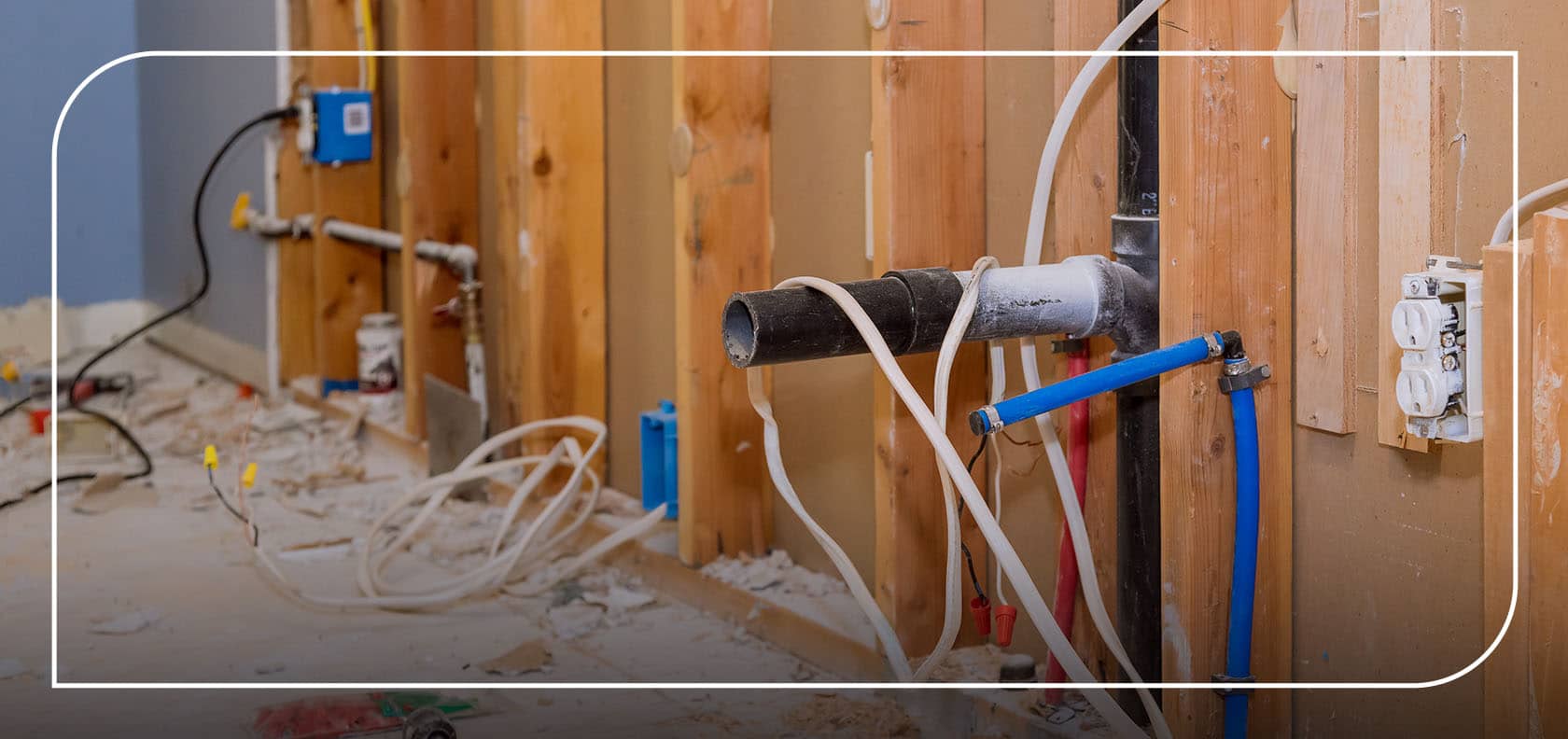
You may also need to increase your dwelling coverage if you remodel a room, such as a kitchen or bathroom, because new project materials add value to the overall structure and would cost more to replace in the event of an incident.
Garages, sheds, fences, and driveways
If you plan on doing work outside your home on things like detached garages, sheds, fences, and driveways, you should increase your other structures coverage under your homeowner’s policy. Your agent can go over the exact details about the risks associated with these types of projects and what would be covered if you purchased extra coverage.
Swimming pools and hot tubs
Swimming pools and hot tubs add to your home’s risk because they are both potential drowning hazards and could make you a target for lawsuits. If you’re planning to add either of these luxuries, it’s recommended that you increase your personal liability coverage limit or add umbrella coverage.
Contractors and subcontractors
Because the construction process itself will involve heavy equipment, sharp tools, and other dangers, III recommends you verify the insurance coverage of all contractors and subcontractors you hire. You should also ask to see a copy of your general contractor’s workers’ compensation policy, if applicable in the state where you live.
Theft coverage
With Mapfre, you can purchase the Theft for Dwellings Under Construction endorsement to cover construction materials that may be stolen on the property during renovation. Those items may include lumber, bags of concrete, and copper/PVC pipes.
Renovations that may lower your home insurance premium
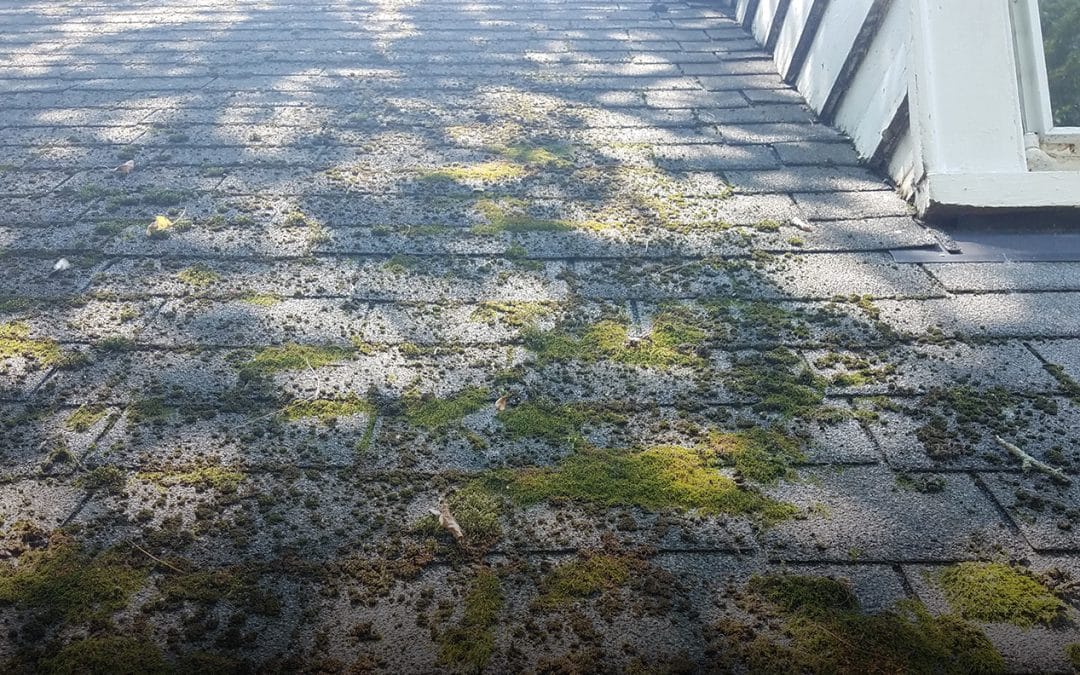
Some home improvement projects may lower your home insurance premium. For instance, if you install a new roof to better protect your home against inclement weather, you will be less likely to file a claim for water damage. If you upgrade your electrical wiring, you lower the risk of fires and electrical damage. Upgrading your plumbing may reduce the risk of water damage.
Installing smart, motion-activated home security cameras that send alerts to your phone, or devices that automatically notify authorities in the event of a break-in or fire, can also benefit your home insurance policy. Ask your agent if you qualify for discounts on these devices or other home improvements.
Remember, before doing any home improvement project, make sure you have the right insurance coverage for your home with Mapfre by talking to an independent agent in your state. If you’re not yet insured with us, you can always get a fast, free quote online to see how much you could save!