With the rising costs of inflation, many people are looking to reduce the use of energy in their homes. This can be accomplished in a number of ways, like purchasing energy-efficient appliances and electronics, purchasing energy-efficient lighting, and making sure to properly insulate and seal your windows and doors.
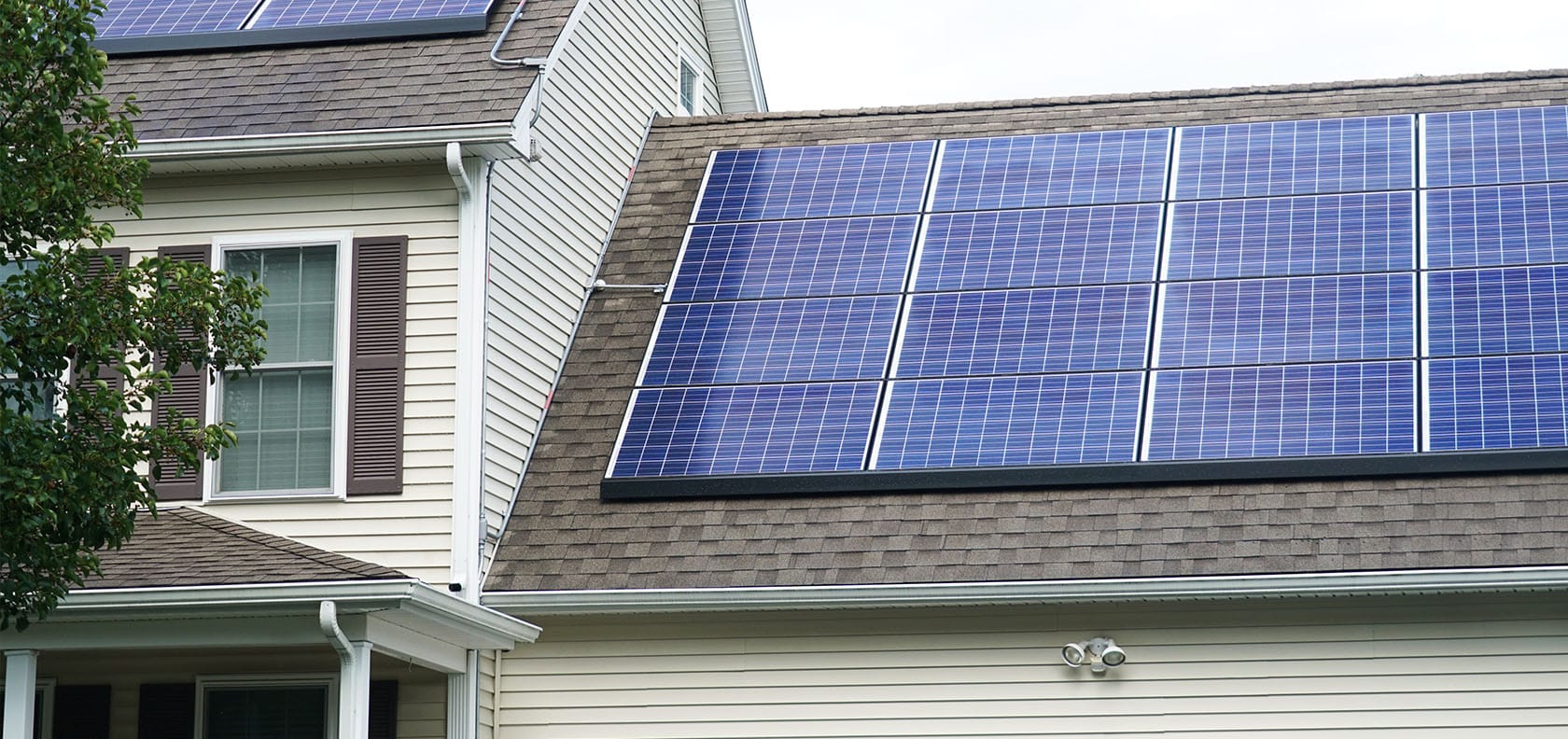
If you’re a homeowner looking to reduce your monthly expenses or carbon footprint, you might be considering a home solar panel system installation.
Benefits of solar panels
According to the U.S. Department of Energy, the typical American family spends nearly $2,000 a year on home energy bills. To save on costs, nearly 4 million U.S. households now generate their own power with solar energy. In addition to helping save money and improving their home’s value, there are many benefits to investing in solar panels.
You can save money by going solar
With the extension of the federal residential solar tax credit, homeowners can claim a 30% tax credit on the cost of their solar system when they claim their income taxes. This, in addition to various finance options, makes installing solar panels typically less money than the average utility bill, according to the Department of Energy.
No disruption in power
If you have a solar energy system paired with battery storage, you won’t have to worry about power when there is a disruption to the local power grid.
Solar can increase your home’s value
Although it depends on the buyer, some people see solar panels as an added value when they consider purchasing a home, just as they would a residence with a renovated kitchen or bathroom.
Solar systems work in various climates
Regardless of climate or what part of the country you live in, solar panels only need sunshine to operate sufficiently.
There are some disadvantages to installing solar panels on your home.
- Improper installation of solar panels can damage your roof.
- If you live in a cloudy or foggy area, you may not get full energy benefits.
- If your roof doesn’t face the sun, you will not be able to capture enough energy.
- If you don’t have a battery backup system, your solar panel system won’t work at night.
- If you move within 8-9 years, you might not recoup the money you invested.
What to do before installing solar panels
Before considering solar panels for your home, check to make sure your city or town allows them.
If they are allowed, you will want to make sure there are no excess trees around your home that would block sunlight or cause a hindrance to the panels, such as limbs falling onto the panels.
In addition, solar panels perform best on south-facing roofs with a slope between 15 and 40 degrees, though other roofs may be suitable too. You should also consider the age of your roof and how long until it will need replacement.
If you have specific questions on installing solar panels, the Department of Energy’s Homeowner’s Guide to Going Solar can help provide answers.
Does homeowners insurance cover solar panels?
It’s advisable to purchase a warranty from your solar manufacturer to cover issues like faulty equipment and performance issues.
When you have standard homeowners insurance with Mapfre, you may be protected if a covered peril occurs. A covered peril would be when things like rain, snow, ice, hail, extreme cold, or heat cause damage to your solar panels. Your home policy would not cover solar panels that are worn out. In addition, you would only be covered if you fully own your solar panels, not if you lease or rent them.
How much will my homeowners insurance increase with solar panels?
The coverage limits on your homeowners insurance will be dependent on how much you paid for your solar system. Your independent agent can work with you to determine your coverage limits and let you know exactly what damage would be covered.
Make sure you have the right coverage for your home by talking to an independent agent in your state. If you’re not insured with Mapfre yet and live in Massachusetts, get a fast, free home insurance quote today to see how much you could save!