When it comes to car maintenance, the battery is often overlooked. On average, a car battery lasts about four years under normal conditions before it needs replacement; however, many drivers only think about it after an unexpected breakdown. It’s easy for the battery to fade into the background of your vehicle maintenance routine, especially without regular checks from a mechanic. However, neglecting it can lead to costly surprises.
It’s easy to overlook the condition of your car’s battery, but knowing its status can help prevent you from being stranded. Here are some signs that your battery may be nearing the end of its life and needs to be replaced:
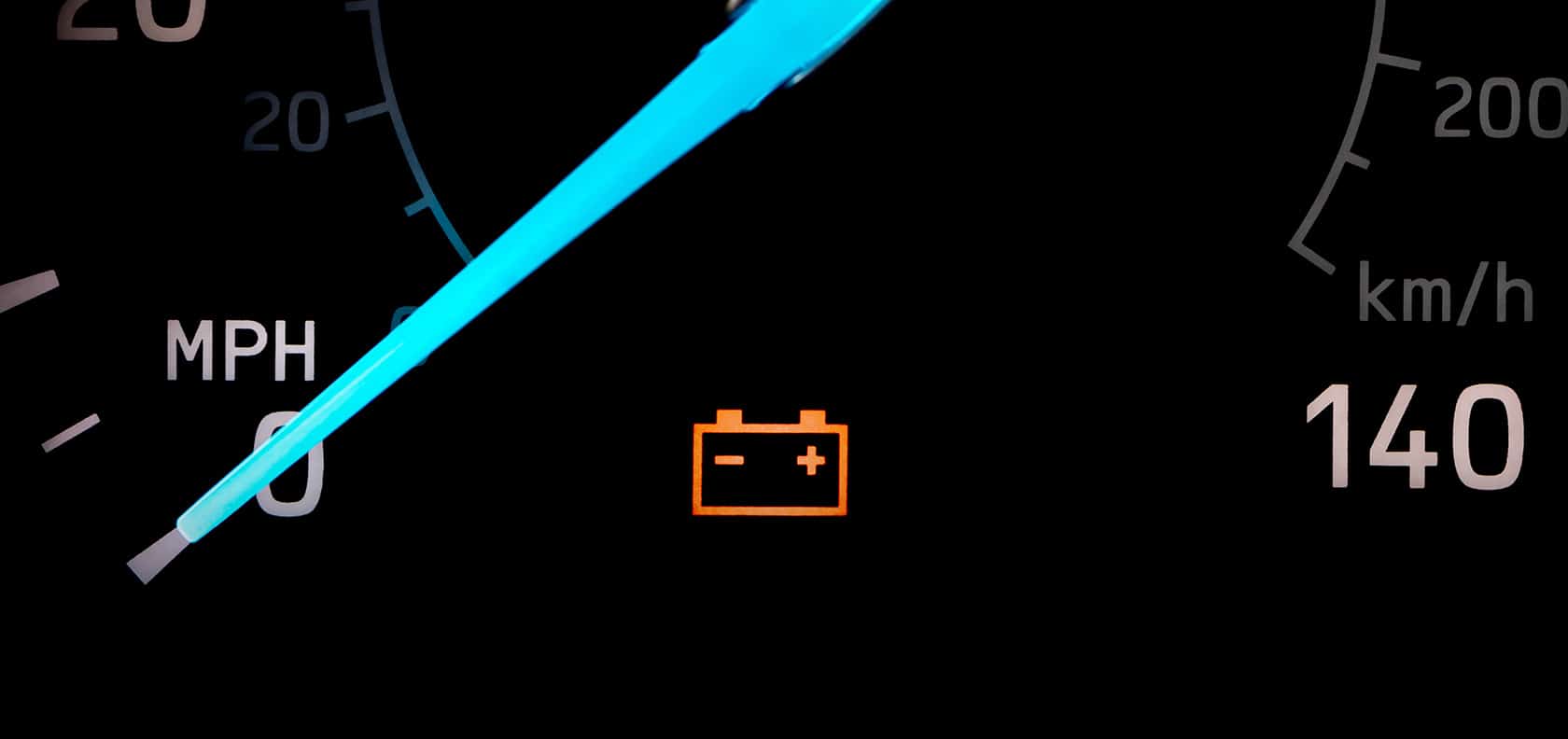
- The battery or check engine light on your dashboard is illuminated.
- Dim headlights or other electrical issues may indicate a problem with the battery or charging system.
- The engine cranks slowly when you try to start the car.
- You frequently need to jump-start your car.
- A rotten egg or sulfur smell can indicate a leaking or overheated battery.
- A bulging battery case may signal overcharging or overheating.
- A white or silvery powder-like substance around the battery terminal indicates potential battery issues, so you should inspect the battery.
Paying attention to these signs can help you act before any major problems arise, and regular maintenance can also help prevent them. To keep your car’s battery in its best condition, here are some suggestions.
- Schedule regular check-ups with your mechanic, including tests for your battery.
- Minimize the use of electronic accessories when the engine is off, as they can quickly drain the battery.
- Take longer drives occasionally to allow the battery to charge fully.
- Keep the battery terminals clean and free of corrosion.
How to jump start a car
If you find yourself with a dead car battery, the first step is to seek help from someone with a working vehicle so that you can jump start your car. You’ll need jumper cables to connect the two batteries, so either bring your own or borrow some. Position the working car nose-to-nose with your vehicle, ensuring both cars are in Park or Neutral and turned off. Securely attach the red clip to the positive terminal of your battery and the positive terminal of the working battery. Then, connect one black clip to the working battery’s negative terminal and the other to an unpainted metal surface on your car.
Once everything is connected, start the working vehicle and let it run for a few minutes before attempting to start your car. If it doesn’t start immediately, give it more time and try again. If your car starts, drive for at least 15 minutes to allow your battery to recharge. If it won’t start again, it might be time to consider a replacement.
Being proactive about your vehicle’s maintenance can prevent unnecessary headaches down the road. So will reviewing your auto policy to make sure you always have the right insurance coverage suited to your individualized needs. And if you’re not yet insured with Mapfre and live in Massachusetts, you can always get a fast, free quote on your car insurance policy by contacting an independent agent in your state.