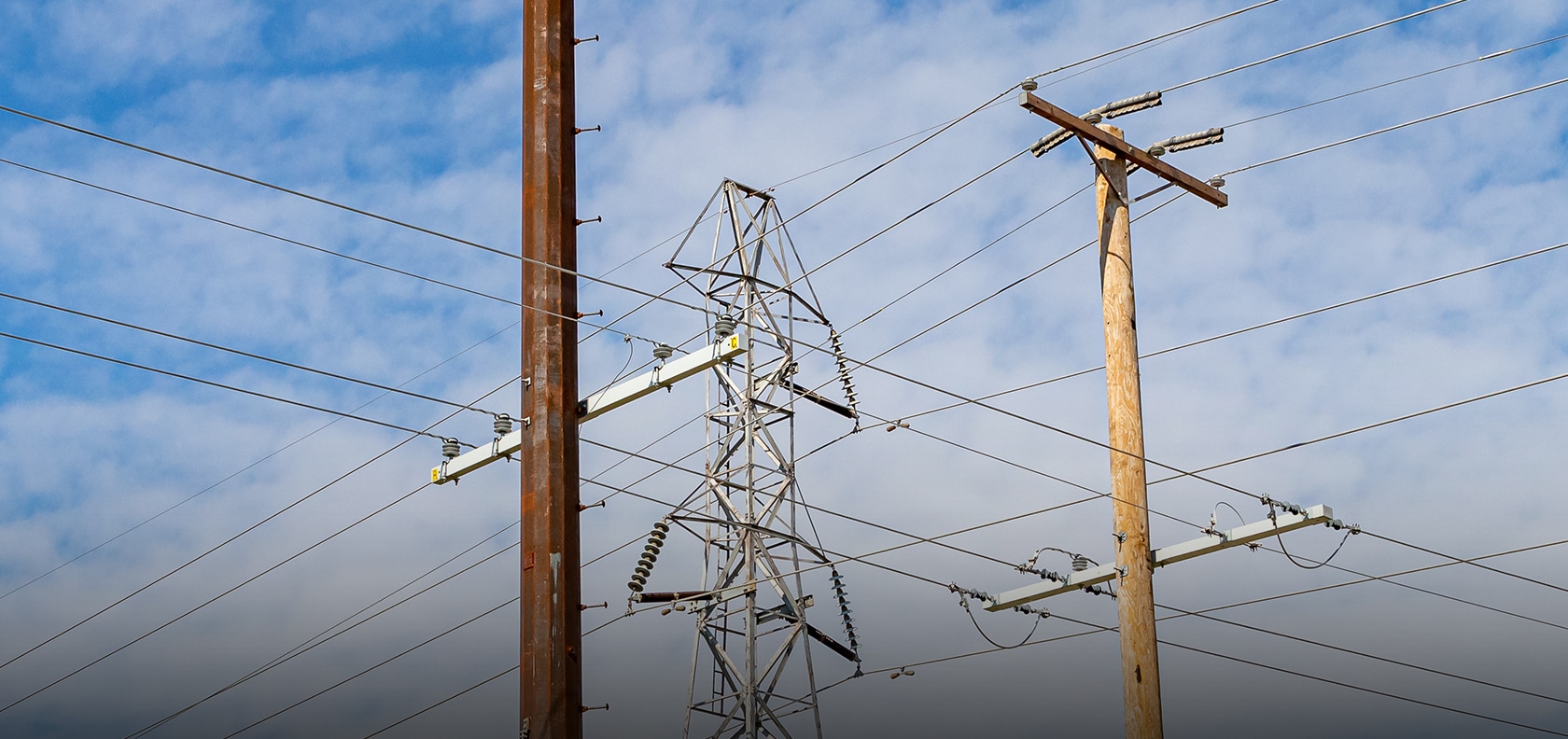
While power outages can occur at any time of year, the U.S. Energy Information Administration (EIA) reported that the average U.S. electricity customer experienced over 7 hours of power interruptions in 2022, the highest recorded since tracking began in 2013. Outages have continued to rise, with significant weather events and grid strain causing widespread disruptions that impact millions of customers each year across the United States.
Between droughts in the western part of the country and peak demand for power in other regions, our electric grids are becoming strained as more people crank their air conditioners and fans.
The North American Electric Reliability Corporation (NERC) independently assesses and reports on the reliability and adequacy of the North American power grid each year. According to the 2025 Summer Reliability Assessment, NERC found that two-thirds of North America, including the Midwest, Texas, and much of the U.S. West, are at elevated risk of electricity supply shortfalls during periods of extreme heat or drought. The assessment highlights increased demand, concerns about resource adequacy, and the growing impacts of severe weather, wildfires, and drought as primary risk factors. Severe storms, lightning strikes, and wildfire threats continue to damage power lines and transformers, further straining the grid and increasing the likelihood of outages.
As a homeowner, you can take many steps to prepare for a power grid failure or outage. First, plan an evacuation route and find out where local shelters are in case you can’t stay at home. Creating an emergency preparedness kit with items such as a first-aid kit, medications, cash, copies of personal documents, flashlights, non-perishable foods, and bottled water is also a good idea.
Other things you can do to prepare are:
- Sign up for local alert systems and apps for text alerts.
- Purchase a gas-powered generator for outdoor use.
- Purchase outdoor appliances for cooking, such as a gas grill or a solar oven.
- Keep electronic devices like cell phones, tablets, and laptops charged.
- Stock up on batteries for flashlights.
- Keep your car at least half full of gas.
Should you lose power, keeping your refrigerator and freezer doors closed is essential to avoid food spoilage. An unopened refrigerator will keep food cold for about four hours, and an unopened freezer for about 48 hours. You should also make sure to unplug small appliances and electronics to help prevent damage from power surges.
If your food gets spoiled and needs to be thrown out, chances are, you can’t make an insurance claim. Be sure to check with your agent, as some states allow food spoilage under homeowners’ policies. There may also be exceptions if the loss is due to a break in a power line on or close to your property, according to the Insurance Information Institute.
After a power outage, the American Red Cross recommends the following safety tips:
- Do not eat any previously refrigerated food that has warmed up to 40 degrees or higher.
- Stay at least 35 feet away from fallen power lines and anything they are touching.
- Don’t go into flooded areas or use any electrical equipment or electronics that may have been submerged.
While preparing your home in the event of power outages, it’s also a good idea to ensure you have the right type of coverage on your property insurance policy well in advance. Your independent agent can always review your policy with you to see how much coverage you have, your deductibles, and how potential claims would be paid. And if you’re not insured with Mapfre yet, get a fast, free quote today!