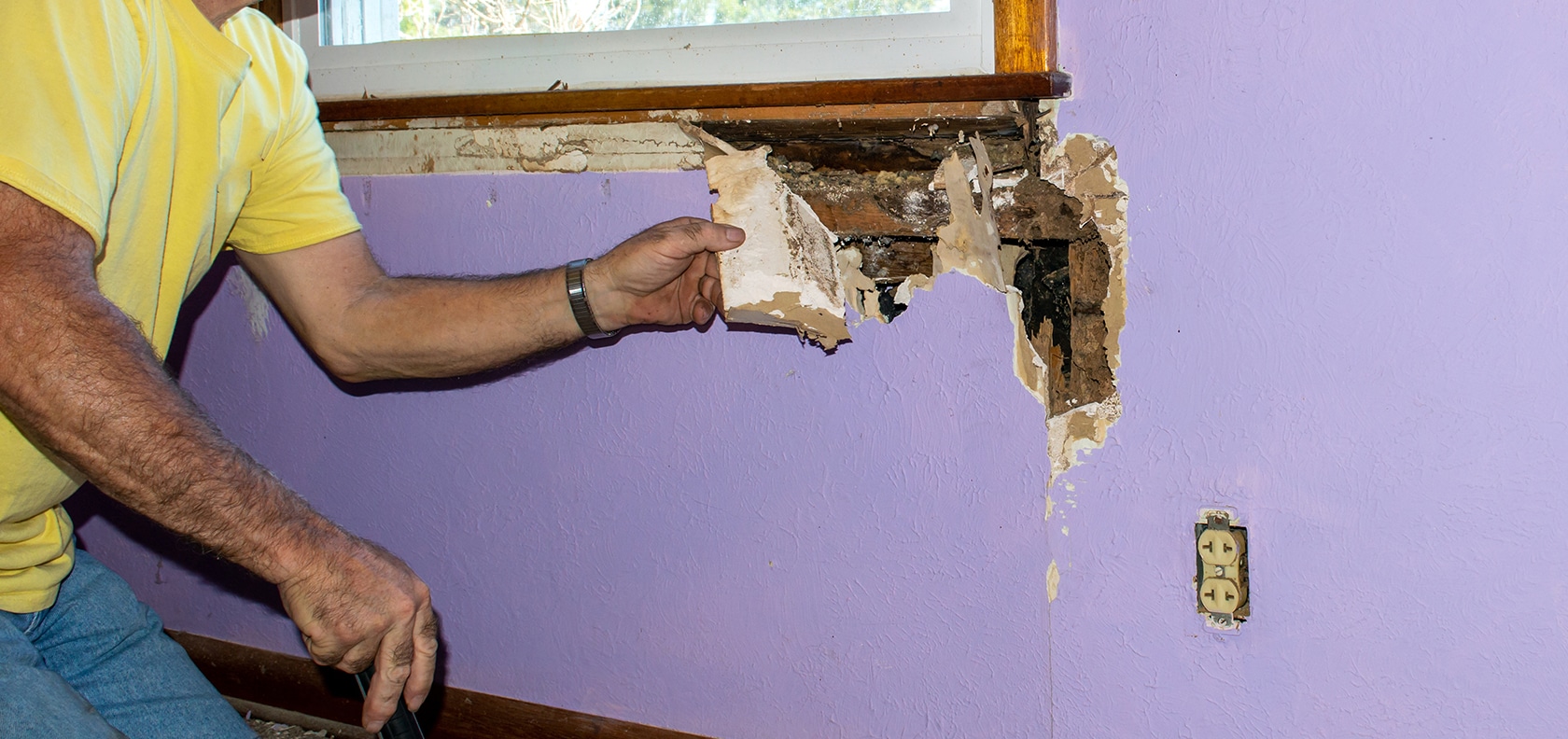
Termites are tiny insects that eat wood and live in colonies. If not detected, termites can cause severe damage to a home by feeding on support beams, doors, and windows. This can include damage to the structure’s foundation, sagging floors, and other issues like peeling paint, all of which can be expensive repairs for homeowners.
According to the Environmental Protection Agency (EPA), termites collectively cause billions of dollars in structural damage for homeowners annually and can cost the average homeowner $3,000 in repairs.
Types of termites
Several types of termites exist, but the three most common species are subterranean, drywood, and dampwood.
Subterranean termites live in soil and build the largest nests of any insect in the United States. Their nests are connected to wood food sources via mud tubes.
Drywood termites do not require contact with soil and typically live in things like dead trees, structural timbers, or hardwood floors.
Dampwood termites also do not require contact with soil and typically live in wood with high moisture.
How to tell if you have termites
Most people aren’t aware they have termites until they see a flying swarm or encounter them during construction or renovation, according to the EPA. Other ways to identify termite infestation are:
- Hearing clicking sounds in your walls.
- Smelling a musty odor.
- Having wood that can easily break when pressed.
- Having bulging floors, ceilings, and walls.
- Having pencil-thick-sized tunnels or “mud tubes” in your foundation and crawl space walls.
How to prevent termite infestation
If you are building a new home, you can avoid future termite infestation by using a concrete foundation and leaving a ventilation space between the soil and wood. It also helps to cover exposed wood surfaces with a sealant or metal barrier.
To maintain your home, or if you are buying an older one, the National Pest Management Association (NPMA) has some other preventative measures you can take:
- Eliminating or reducing moisture in and around the home, including keeping the soil around the foundation dry.
- Filling in cracks in foundations.
- Repairing leaking faucets, water pipes, and exterior AC units.
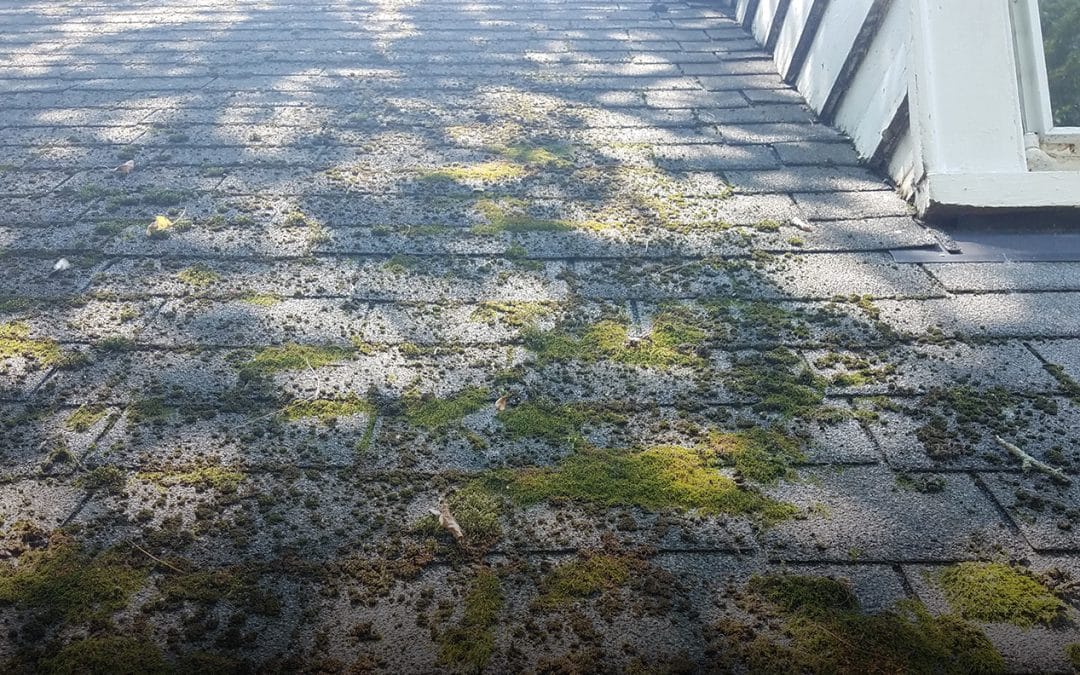
- Repairing rotted roof shingles.
- Replacing weather stripping around the basement foundation and windows.
- Keeping vents free from blockages.
- Diverting water away from the house with downspouts and gutters.
- Not planting trees and shrubs too close to the house.
- Not piling firewood next to the house.
Having a professional inspection done annually is also a good idea to catch things you may not notice.
What to do if you have termites
Should you discover a termite infestation, the NPMA recommends contacting a professional pest control company immediately to determine the extent of damage and the best treatment method.
When looking for a professional pest control company, make sure that the company is licensed in your state, insured, and that its technicians have termite control certifications. Before any treatment is recommended, the company should thoroughly inspect your home, and you should check its references. It’s also a good idea to ask about warranties and follow-up services should you need them.
Does home insurance cover termite damage?
Because termite damage is preventable and not considered an accidental event, insurance companies typically do not cover termite damage. Because this type of damage is not covered, keeping up with regular home maintenance tasks is essential.
We hope you found these tips helpful and that you never have to deal with termite damage in your home. While termite damage isn’t covered, it’s still a good idea to talk to your independent agent in your state to ensure you have the correct type of coverage on your property insurance policy. And if you are not a Mapfre Insurance customer yet, you can always get a fast, free quote today in Massachusetts to see how much you could save!