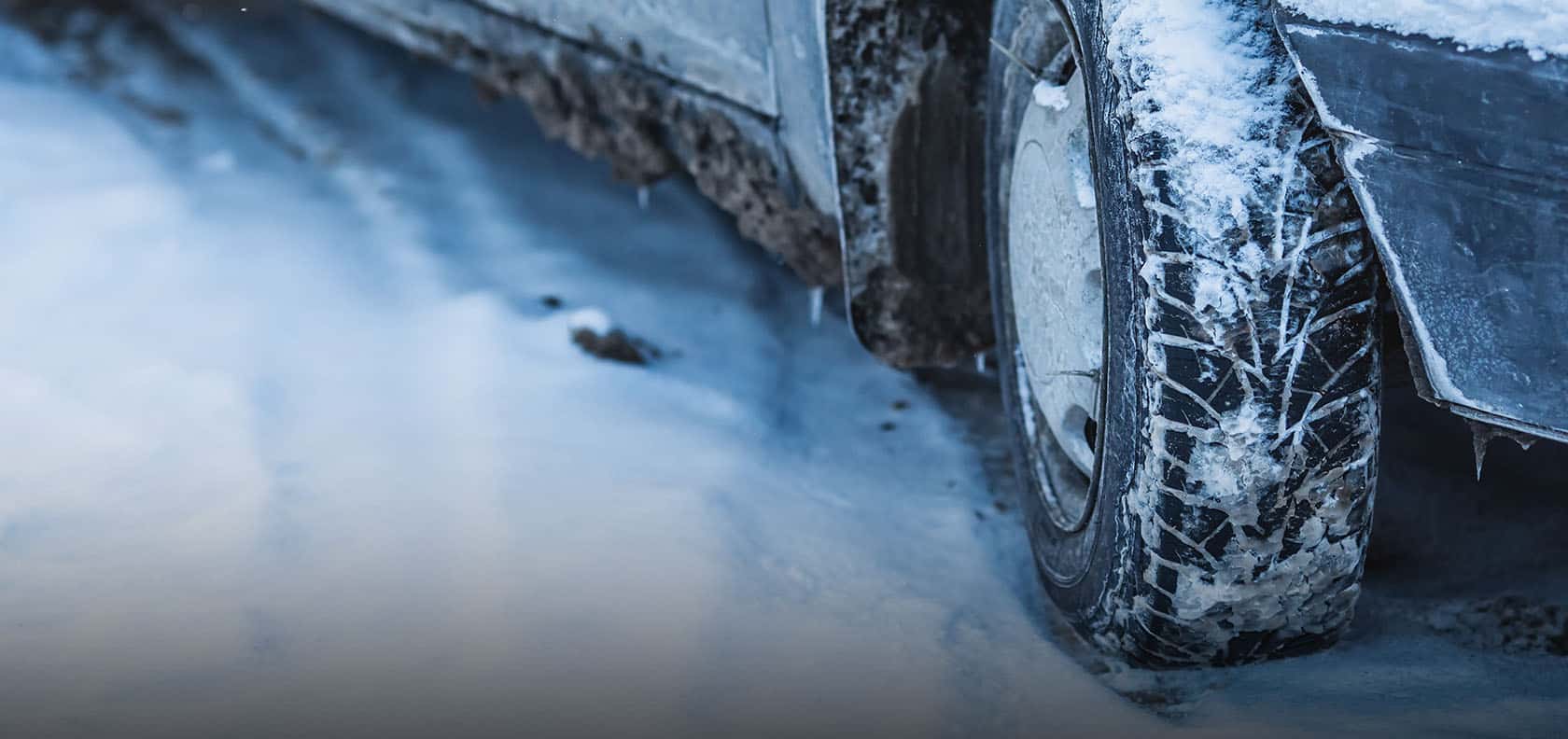
If you live in an area prone to snow and ice, you know that the winter months can be extremely harsh on your vehicle. Salt, sand, and brine from snowplows and salt spreaders may keep roadways clear, but they also have corrosive effects on cars.
Salt, or Sodium Chloride (NaCl), is used by transportation departments nationwide to melt ice and improve traction on our nation’s roadways. According to the Environmental Protection Agency (EPA), salt creates a chemical reaction that lowers the freezing point of water, which causes any existing ice to melt and prevents new ice from forming.
Some state transportation officials try to reduce salt usage by using a brine solution before a storm, which is part salt and part water. Another method used by some states is a 50/50 salt and sand mixture, which is also effective in adding traction to wet and slushy roads.
Despite which method is used, salt can have negative effects on your car, like rust and corrosion to parts that are not protected by paint like the undercarriage and components such as brake lines, fuel lines, and the exhaust system. Not only is it dangerous to drive a car with corroded parts, but the weakening or damage of metal can lead to costly repairs.
Getting ahead of potential road salt damage is paramount to maintaining the integrity of your car. Some of the things you can do before winter arrives are:
- Wax your vehicle before winter to protect the finish.
- Pre-treat the vehicle’s undercarriage to help prevent salt and water from sticking to your vehicle’s metal parts.
- Have any chips or scratches where bare metal is exposed repaired as this can lead to rust.
Stopping Road Salt Damage
When snow and ice storms arrive, sometimes you have no choice but to go out. If you need to drive somewhere, try not to drive during the height of storms when salt and de-icing methods by snowplows and salt spreaders are being used. Other things you can do are:
- Avoid puddles as salt tends to collect there.
- Avoid driving near snowplows and salt spreaders as the debris can possibly hit your car and cause damage.
- Avoid driving in deep snow as salt particles in the snow can accumulate in the car’s undercarriage.
- Wash your vehicle and its undercarriage immediately after a snowstorm to loosen and dissolve road salts. (There are many drive-through car washes that offer undercarriage washes.)
Does Insurance Cover Road Salt Damage?
If your vehicle is damaged from road salt, it is considered normal wear and tear and would not be covered under your auto insurance policy. This is why it’s crucial to routinely maintain your vehicle and wash it after any salt and sand exposure.
Make sure you’re not only prepared for winter but that you have the right auto coverage to suit your individualized needs. Remember, your independent agent can always help you review your information. If you are not a MAPFRE customer yet, you can get a fast, free car insurance quote in Massachusetts to get outstanding coverage at a great price!