Backyard and community pools, as well as lakes and trips to the beach, are some of the most memorable places for families to spend the summer.
But while everyone is out having a good time, it’s important to remember that drownings are the leading cause of preventable death among children under 14, according to the Centers for Disease Control and Prevention. Three children die every day as a result of drowning, the agency reports.
To keep kids and other family members safe in and around the water, the CDC recommends the following:
Learn life-saving skills
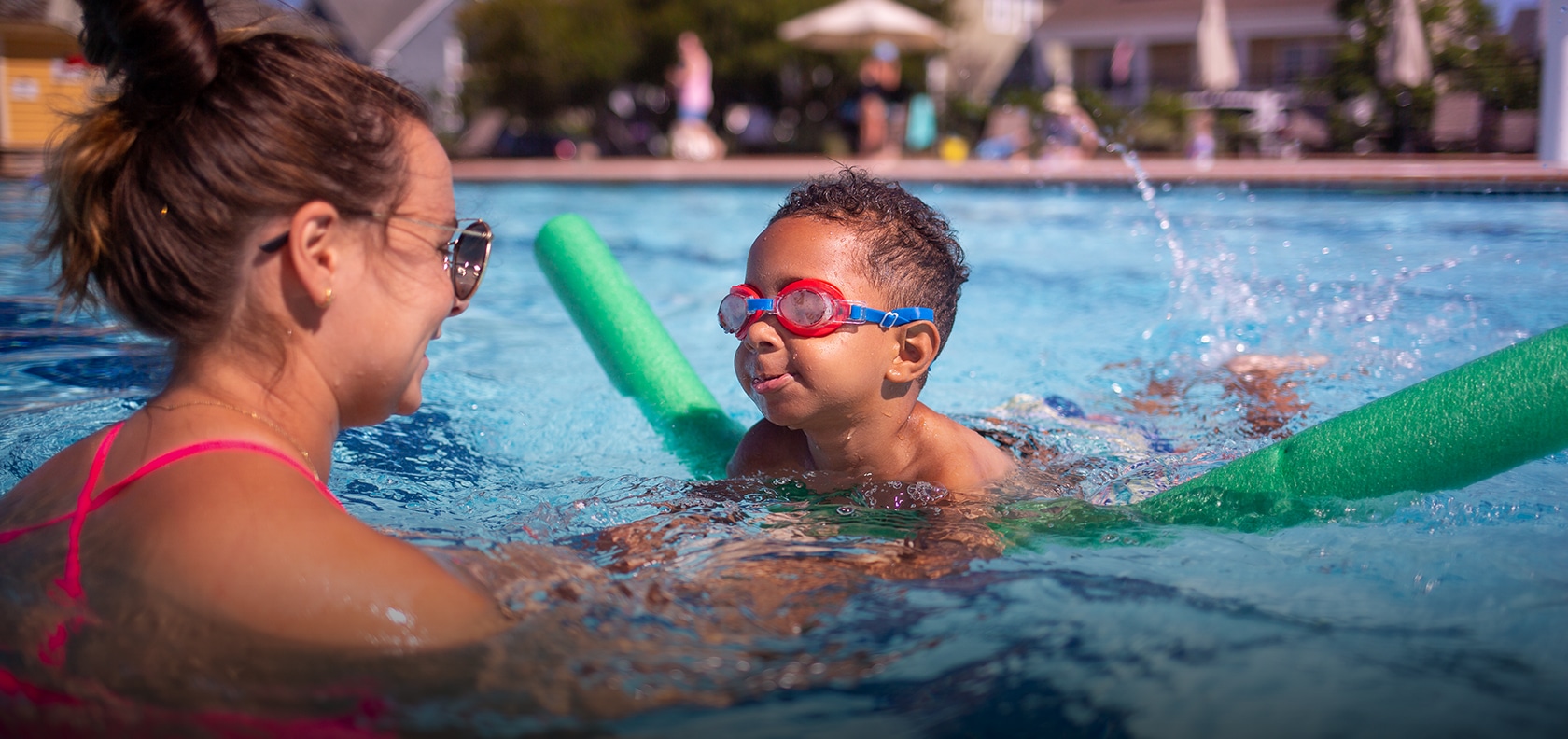
Both children and adults should learn basic swimming skills, including floating, treading water, and moving safely through the water. The CDC strongly recommends accredited swimming lessons for children, noting that the risk of drowning for kids under 4 is reduced by 88% when they have basic skills. In addition, everyone should be able to recognize the signs of a swimmer in distress and know how to respond, including performing CPR if necessary. Regularly reviewing and practicing these skills can save lives.
Install and maintain pool barriers
Pools should be secured with a four-sided isolation fence equipped with self-closing and self-latching gates to prevent unsupervised access. Regularly inspect fences and gates for damage or malfunctions, and never prop gates open.
Make life jackets mandatory
Regardless of swimming ability, all children should wear a U.S. Coast Guard-approved life jacket in and around natural bodies of water, such as lakes, rivers, or oceans. Inexperienced swimmers and young children should also wear life jackets in and around pools. Ensure life jackets are properly fitted and in good condition.
When taking a child out on a boat, always make sure they are wearing a properly fitted life jacket that is appropriate for their weight and age. Never substitute adult-sized jackets for children, as proper fit is essential for safety.
Designate a water watcher
Keep rescue equipment, such as life rings, reaching poles, and a phone, readily accessible near pools in case of emergency. Make sure all supervising adults know how to use this equipment and how to contact emergency services quickly.
Prevent swimming-related illnesses
To help prevent swimming-related illnesses, the CDC recommends showering before swimming, not swallowing water, and taking regular bathroom breaks. Swimmers should avoid the water if they are sick with diarrhea or have open wounds. Keeping pools clean and properly chlorinated also helps reduce the risk of illness.
We hope these tips will help to keep you and your family safe during the summer months! To ensure you get the right coverage for your home and auto insurance, talk to your independent agent about Mapfre. You can also get a fast, free quote today on your Massachusetts car insurance policy to see how much you could save!