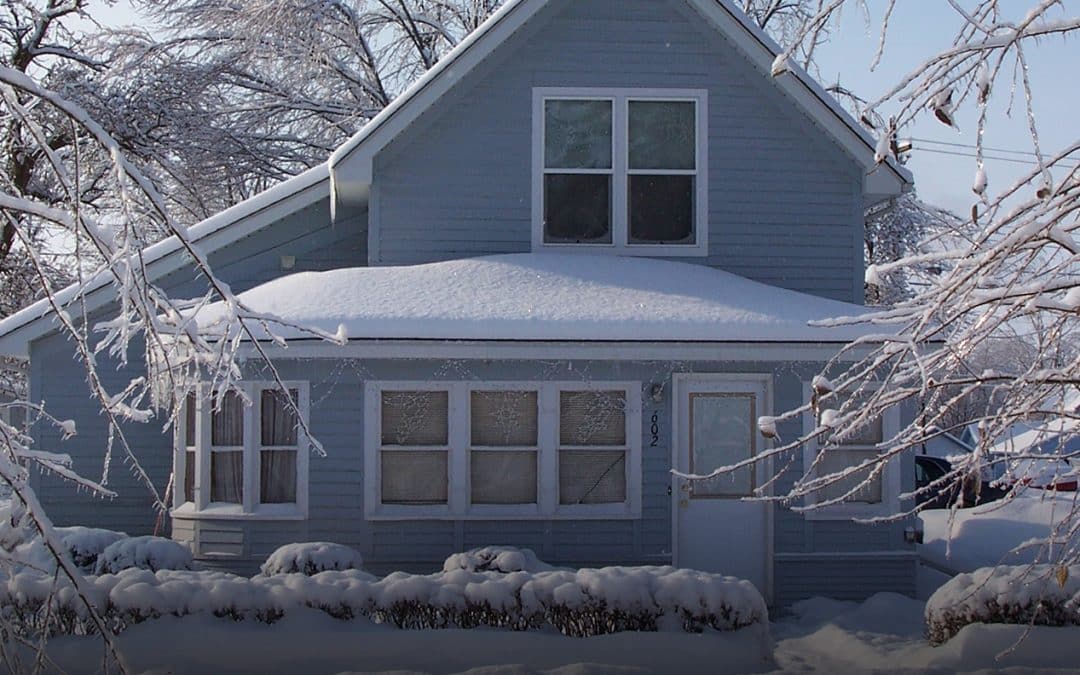
When a snowstorm is forecasted for your area, being proactive can significantly enhance your ability to clear snow and ice effectively.
Staying warm and dry while clearing snow and ice around your home is crucial for your health and safety. The National Weather Service (NWS) and Occupational Safety and Health Administration (OSHA) recommend dressing in breathable layers and wearing the following items:
- Loose-fitting, lightweight, warm clothing like moisture-wicking fabrics, insulated coveralls, or a well-insulated winter jacket.
- A hat that covers your ears, as hats help retain body heat that escapes from your head.
- Waterproof, insulated mittens that fit snugly at the wrist.
- A knit mask or scarf to cover your face and mouth, protecting your lungs from extreme cold.
- Insulated, waterproof boots with slip-resistant outsoles.

For most people, shoveling snow typically does not lead to health issues. However, it is crucial to avoid sudden exertion, especially if you have cardiovascular disease. The American Heart Association and the National Safety Council (NSC) provide several practical tips to help make snow removal safer:
- Begin with gentle stretching to warm up your muscles, which helps prevent injuries and prepares your body for physical activity ahead.
- When lifting, use your legs instead of your back to minimize strain.
- To lessen the burden on your back, use a light shovel and push the snow rather than lift it.
- Take regular breaks to rest and regain your energy.
- Stay hydrated and allow yourself time to rest to keep your energy levels steady and reduce the chances of fatigue-related injuries.
- Refrain from consuming alcohol before or right after shoveling, as it can create a false sense of warmth and make you underestimate the strain on your body in the cold.
- Be aware of the signs of a heart attack, and don’t delay calling 911 if you notice any symptoms during exertion.
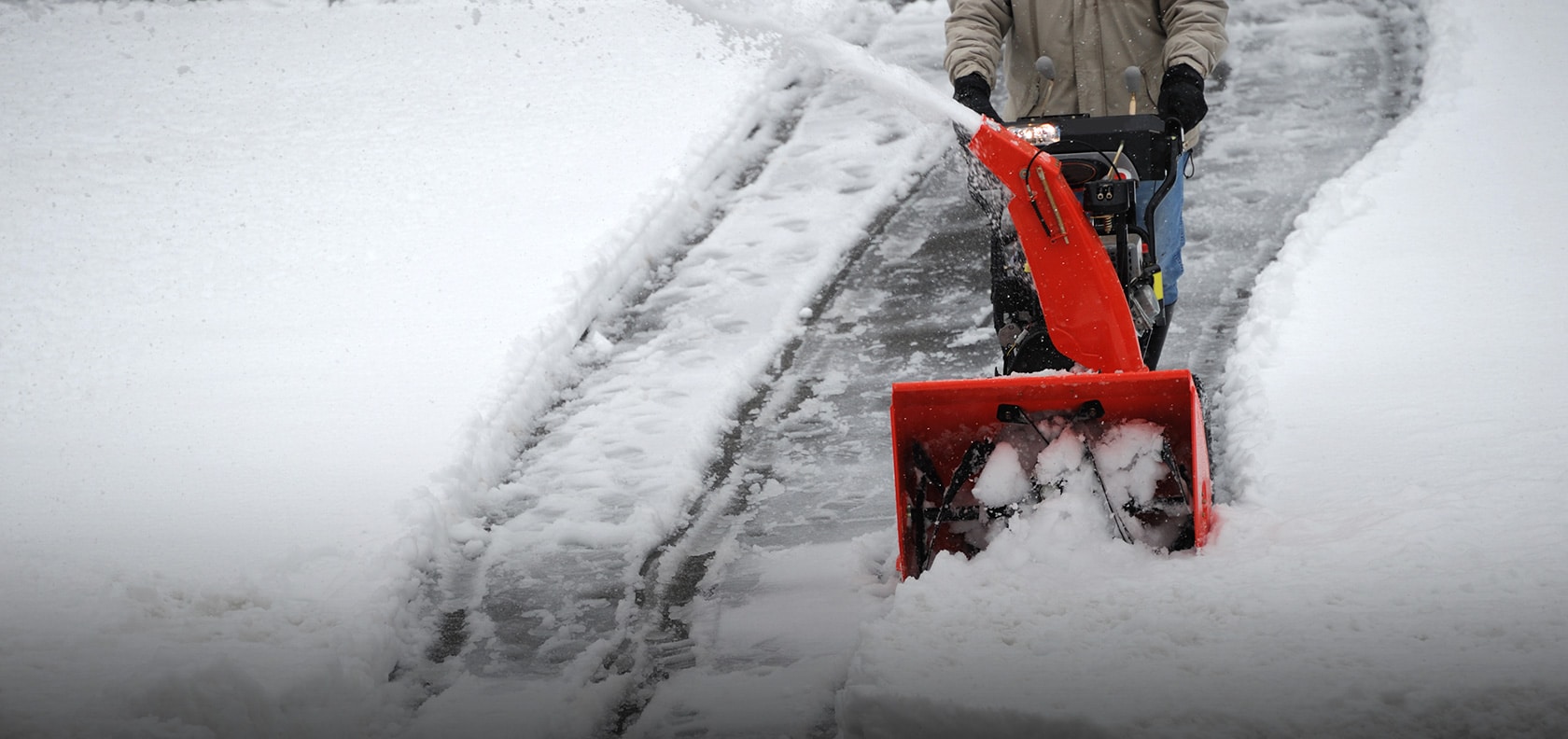
Like shoveling, you should also take safety precautions while removing snow from your driveway or walkway with a snow blower. The NSC recommends the following guidelines:
- Before operating, familiarize yourself with the user manual and instructions for your snow blower.
- If the snow blower becomes jammed, turn it off immediately.
- Keep your hands away from moving parts. If you encounter a blockage, turn off the snow blower before attempting to clear it.
- Be aware of the risk of carbon monoxide when running a snow blower in an enclosed space.
- Always add fuel outdoors and only before the snow blower starts. Never add fuel while the machine is running.
- When using an electric snow blower, pay attention to the cords to avoid tripping hazards.
- Never leave a running snow blower unattended.
Winter weather can be unpredictable, with cycles of snow, freezing, melting, and refreezing. This type of weather can increase the risk of slip and fall injuries. Here are some tips to help keep you and your visitors safe:
- Pre-treat driveways, walkways, and sidewalks with sand, kitty litter, or pet-safe ice melt products, such as calcium magnesium acetate.
- Be on the lookout for potential hazards, such as uneven sidewalks and patches of ice.
- Slow down and take small, careful steps to prevent slipping.
- Use a bag or backpack to carry your belongings, helping you maintain balance while walking.
- Avoid overloading yourself, as this will make it easier to navigate slippery surfaces.
- Put away your phone and remain alert to your surroundings when walking on slippery surfaces.
If cost is not a concern, professionals can install a heated driveway system. These systems utilize hot water pipes or electric heating elements to keep the driveway free of ice.
Winter isn’t all about working; it’s also about having fun. When venturing outdoors to go sledding, keep safety in mind, especially in your backyard, to avoid liabilities. Some guidelines to follow include:
- Ensure sleds are in good condition and free of sharp edges and cracks.
- Avoid using items not designed for sledding, such as cardboard or tubes, as they may lack stability.
- Never sled headfirst; sit on the sled with your feet pointing downhill.
- Choose a gently sloping hill with a level run-off area at the end.
- Avoid hills that have obstacles, such as trees, rocks, or roads.
- Do not sled on or near frozen lakes, streams, or ponds.
We hope you found these outdoor winter safety tips helpful. Ensure your Mapfre home policy is always up to date by contacting an independent agent in your state. If you’re not insured with Mapfre yet and live in Massachusetts, you can get a fast, free quote online today!