When shopping for a used car, you certainly want to avoid vehicles that may have been affected by floodwaters. While these cars can seem like a deal, they can introduce safety risks and lead to unexpected expenses down the road.
A vehicle categorized as a total loss usually receives a “salvage” or “flood” title. The National Highway Traffic Safety Administration (NHTSA) states that these vehicles can be resold as long as the title accurately indicates any existing issues, the car has been appropriately repaired, and it has received a “rebuilt” title. However, savvy buyers need to be wary of flood-damaged cars that come with clean or “lost” titles. To help you find a quality used car and avoid hidden flood damage, here’s a helpful guide:
Conduct Online Vehicle Research
Before visiting any dealership or private seller, start your research.
- Obtain the Vehicle Identification Number (VIN) from the seller. This can reveal the vehicle’s history and help you make an informed decision.
- Check the title for critical designations such as “salvage” or “flood.” Encountering these labels indicates that the vehicle has been classified as a total loss by an insurance company due to significant damage.
- Visit resources like the National Insurance Crime Bureau’s VINCheck and the National Motor Vehicle Title Information System (NMVTIS) for free tools to uncover potential issues with the car.
Additionally, be aware of the car’s location. If someone recently registered a vehicle in an area known for flooding, exercise caution. Sellers sometimes move flood-damaged cars to other states to hide their history.
Perform a Detailed In-Person Evaluation
If your research raises no concerns, proceed with an in-person inspection of the car. Here are some key aspects to check:
- A musty smell inside the vehicle or strong fragrances from air fresheners or sanitizers may be attempting to mask underlying issues.
- Signs of rust under the hood, around the doors, on the pedals, and on screws, seat springs, and other metal components.
- Water lines inside the car.
- Stains on the upholstery or carpeting.
- Damp carpets.
- Fog or condensation inside the headlights, taillights, interior lights, and on the instrument panel.
Get a Professional Inspection
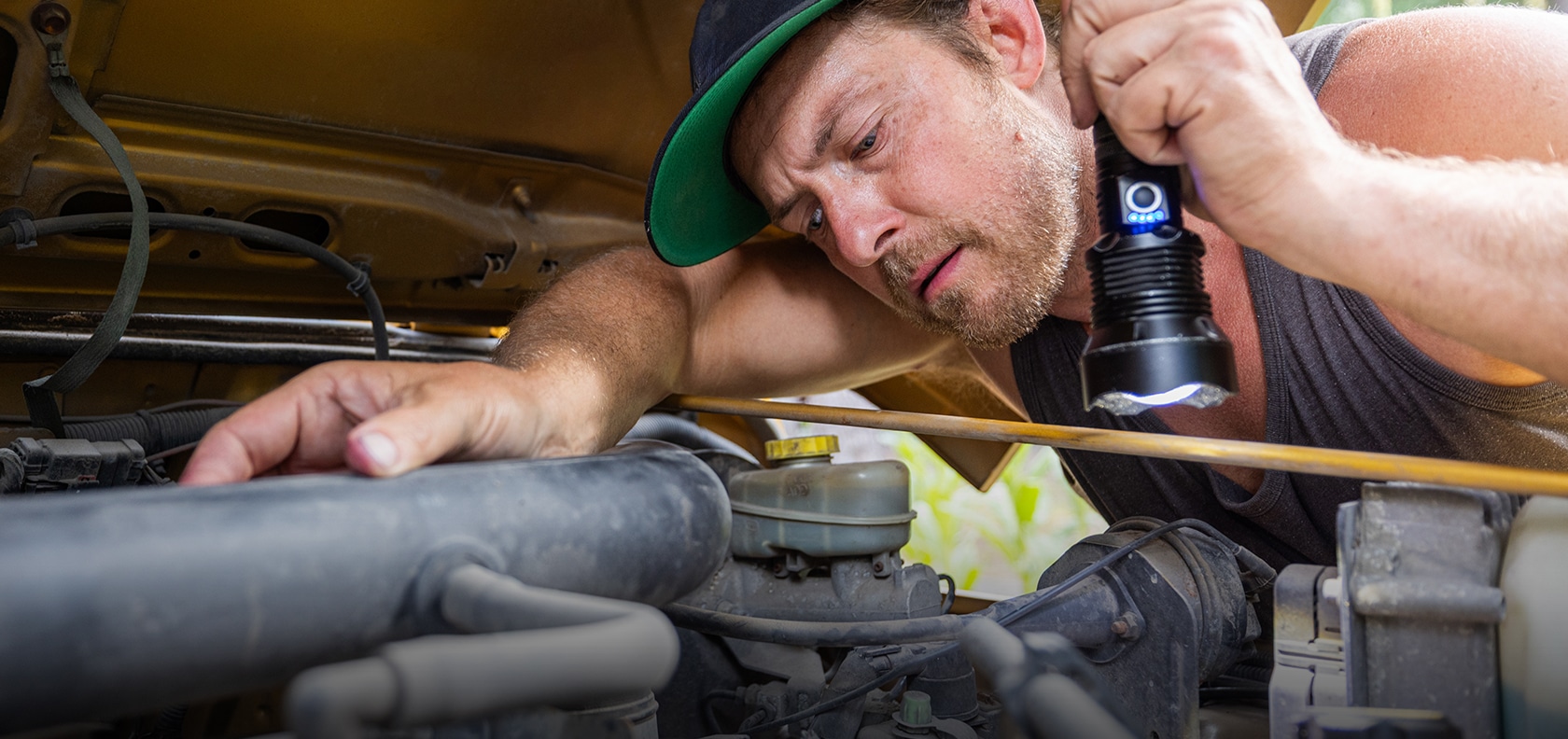
After completing your initial checks on the car, the most reliable way to ensure it’s in good condition is to have a qualified mechanic perform a thorough inspection. They should confirm your findings and focus on several key areas:
- Electrical system: A thorough inspection should be conducted of headlights, taillights, fog lights, and turn signals, to ensure they’re functioning correctly. The mechanic should also inspect the air conditioning system to ensure it works correctly, verify that the power windows function properly, and assess the cruise control for dependable performance.
- Mechanical system: The engine and transmission should be inspected to ensure proper functioning. Listening for any unusual sounds and checking fluid levels and conditions is crucial to ensure that everything is functioning correctly.
- Fuel system: The mechanic should inspect the engine oil and air filters for any contamination, such as a milky or damp appearance, which may indicate water intrusion. This issue can affect engine performance and longevity.
The mechanic should also perform a test drive to check for transmission issues, engine smoke, or unusual noises.
Researching and consulting with experts can help prevent costly mistakes when buying a used car and protect your investment from potential flood damage.
Finally, ensure your Mapfre auto insurance and home policies are up to date by contacting an independent agent in your state. And if you are not a Mapfre customer in Massachusetts yet, you can always get a fast, free car insurance quote in Massachusetts to get outstanding coverage at a great price.