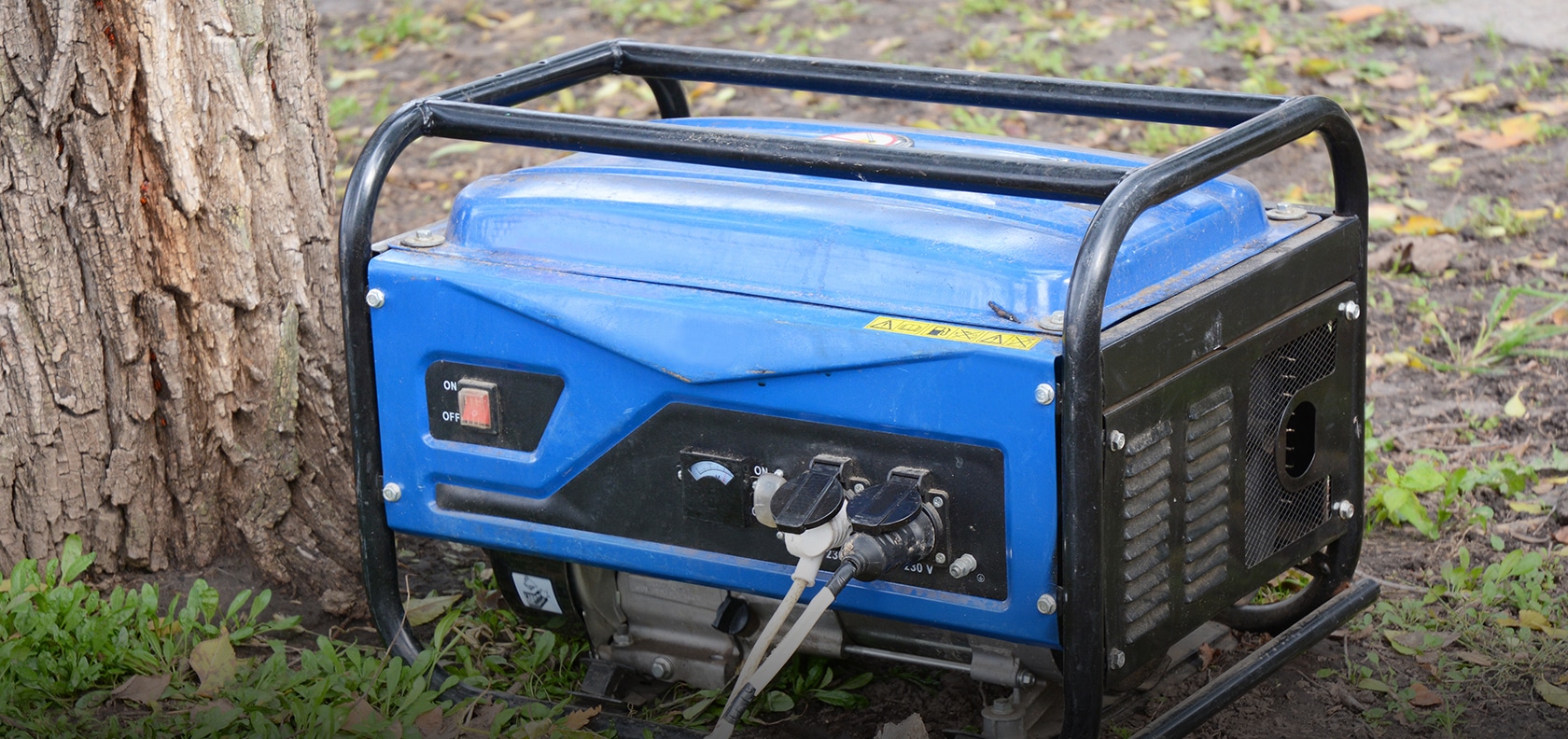
If a storm causes a power outage at your home, you may turn to a generator for help. Although generators can provide a temporary source of power, they can also be dangerous if not used properly.
Before using any type of generator, the manufacturer’s instructions should be read and followed carefully. The Federal Emergency Management Agency (FEMA) and the Electrical Safety Foundation recommend that homeowners be aware of several other hazards when using a generator.
Carbon monoxide poisoning
Carbon monoxide (CO) is a poisonous, colorless, odorless gas that cannot be detected without an alarm. The gas can kill you and your pets. To avoid tragedy, install a working carbon monoxide detector on every level of your home to alert you of dangerous levels. In addition:
- Keep generators at least 20 feet away from your home
- Do not operate a generator indoors or in an enclosed space like an attached garage or crawl space
- Make sure a generator has 3-4 feet of clear space above and on all sides for proper ventilation
- Keep generators away from doors, windows, and vents
- Always direct exhaust away from your home
Electrocution or electric shock
According to the Occupational Safety and Health Administration (OSHA), the electricity created by generators has the same hazards as normal utility-supplied electricity. Therefore, it’s extremely important to take precautions to avoid electric shock or electrocution.
- Keep the generator dry and protected from rain or flooding
- Do not touch a wet generator or devices connected to one as it can cause electrical shock
- Always connect a generator to appliances with heavy-duty extension cords
- Do not connect a generator directly into your home power supply as it could increase the voltage or cause a surge to the outside power lines. This could injure or electrocute a utility lineman
FEMA also recommends that you hire a licensed electrician or contact your utility company to install a power transfer switch.
Fire
In addition to keeping your generator outside, FEMA also recommends that you fuel it outside. A few more tips in regards to fuel are:
- Do not store fuel like gasoline, propane, kerosene, or diesel for your generator in your house. Flammable liquids should be stored outside in properly labeled, non-glass safety containers
- Do not store fuel near a fuel-burning appliance
- Let the generator cool before refueling as fuel spilled on hot engine parts can ignite
Keep in mind, spilling fuel near a generator or keeping a fuel container nearby, can cause invisible vapors to travel and be ignited by the generator’s pilot light or by arcs from electric switches.
We hope you found these tips helpful as you stay warm this winter! To ensure you get the right coverage for your home if you are not a Mapfre Insurance customer yet, talk to an independent agent in your state or get a fast, free quote today in Massachusetts to see how much you could save!