Every homeowner deals with plumbing problems sooner or later, whether it’s a dripping faucet or a toilet that just keeps running. Ignoring small issues can lead to bigger, more expensive repairs and plenty of headaches. By knowing what to watch for, how to prevent common problems, and what your insurance covers, you can stay ahead and avoid surprises.
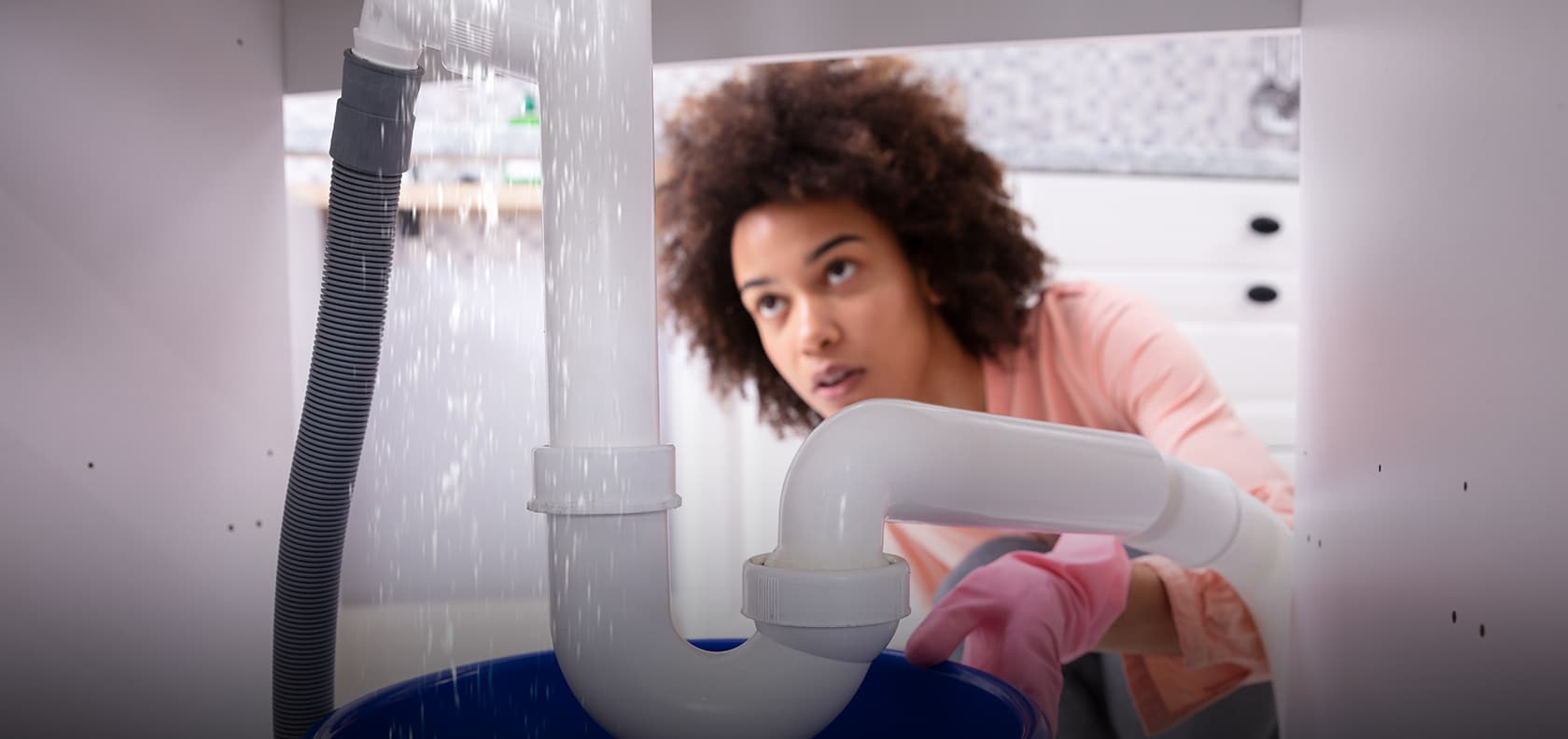
Even a tiny leak can make a difference, bumping up your water bill by about 10%, according to iProperty Management. Water damage happens more often than you might expect. Most basements will have it at some point, and thousands of people deal with it every day. The costs can be high, too. The average insurance claim for water damage is close to $14,000, and even small repairs can run from $100 for a leak to $1,600 if an appliance fails.
To help you avoid plumbing surprises, here are some proactive tips from Mapfre.
Schedule regular inspections
Having a licensed plumber check your pipes, water heater, and fixtures regularly is a smart way to keep your plumbing in good shape. Inspections can catch leaks, rust, or worn-out parts before they turn into bigger headaches. Fixing these problems early can save you money and help you feel confident that everything is working as it should.
Avoid clogs
Coffee grounds, grease, and oil can clog your drains and slow things down. Instead, toss these in the trash or compost. You can also use screens in your sinks and showers to catch hair and debris. Cleaning these screens often helps water flow easily and can save you from costly plumbing repairs.
Fix plumbing problems quickly
Leaky faucets and running toilets might not seem like a big deal, but they waste water and can raise your bills. Fixing them right away helps you avoid bigger, more expensive repairs later. Taking care of small problems early keeps your plumbing working well and saves you money in the long run.
Protect pipes in winter
Frozen or burst pipes can cause significant damage in winter and lead to expensive repairs. To help prevent this, insulate any exposed pipes, especially in basements and garages. When the temperature drops, open cabinet or closet doors so warm air can reach your pipes, or use a fan to improve airflow. Letting your faucets drip just a little can also keep water moving and lower the chance of freezing.
Monitor water pressure
If your water pressure is too high, it can put extra stress on your pipes and make leaks or bursts more likely. To keep things running smoothly, check your water pressure with a gauge now and then. Try to keep it between 40 and 60 psi, which is safe for most homes. Keeping your water pressure in check helps your plumbing last longer and can save you from costly repairs later.
What to do for a major leak
If you have a major leak at home, knowing where your main water shut-off valve is can help you stop the water fast and limit the damage. The Insurance Information Institute also recommends adding an emergency pressure-relief valve to your plumbing system to help prevent burst pipes.
Does homeowners insurance cover water leaks?
A standard homeowners policy with Mapfre will usually cover your losses if events like a major fire, heavy rain, or heavy snow damage your home’s interior or exterior. However, water damage events not typically covered under your standard homeowners policy include:
- Flood damage – surface water
- Water damage resulting from a lack of maintenance or negligence
- Repair of a source of leak (e.g., water heater or washing machine)
- Water and sewer backup
- Groundwater that enters through the basement walls and floors
Mapfre offers extra home coverage options, like Water and Sewer Backup coverage, along with other property endorsements to provide you with more protection. To make sure your home is covered, talk with an independent agent in your state. If you are not a Mapfre customer yet, you can get a quick, free quote to see how much you can save.