With gas prices on the rise, finding ways to stretch every gallon makes sense. Not only can it help save you money at the pump, but it also means fewer stops and less hassle on the road. Instead of worrying about chasing the lowest price or risking being late for an event because of an extra fuel stop, try these simple, practical strategies to make every mile go further.
Practice fuel-efficient driving techniques
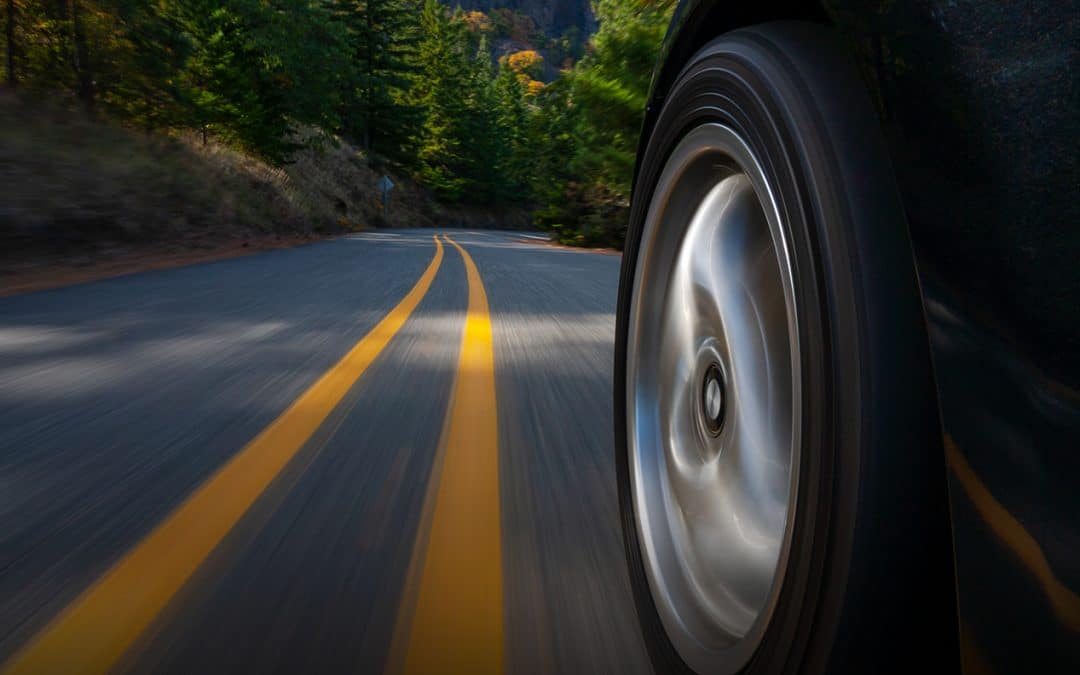
Smart driving habits are essential for saving fuel. Accelerate and brake smoothly and maintain a steady speed whenever possible. Using cruise control on highways helps prevent speed fluctuations that waste gas. Remember, driving too fast increases aerodynamic drag, which forces your engine to work harder and burn more fuel. Stick to the speed limit or just a few mph above it for maximum efficiency. To further save fuel, minimize the use of air conditioning and heating features like defrosters, heated seats, and heated steering wheels. These systems draw extra power from the engine, increasing fuel consumption.
Reduce excess weight in your vehicle
Many drivers carry more in their trunk or cargo area than necessary. Take a few minutes to remove items you don’t need, such as old gym bags, kids’ toys, or general clutter. Excess weight makes your car less fuel-efficient, so even reducing cargo by half can make a noticeable difference.
Check your tire pressure
Driving with underinflated tires increases rolling resistance, which makes your engine work harder and consume more fuel. Check your tire pressure regularly and keep it at the recommended level for your vehicle. Properly inflated tires improve your gas mileage and enhance safety.
Keep up with regular maintenance
A well-maintained vehicle runs more efficiently and uses less fuel. Be sure to follow your manufacturer’s recommended schedule for oil changes, air filter replacements, and spark plug checks. Clean filters and properly functioning engine components help maximize your gas mileage.
Time your fuel purchases
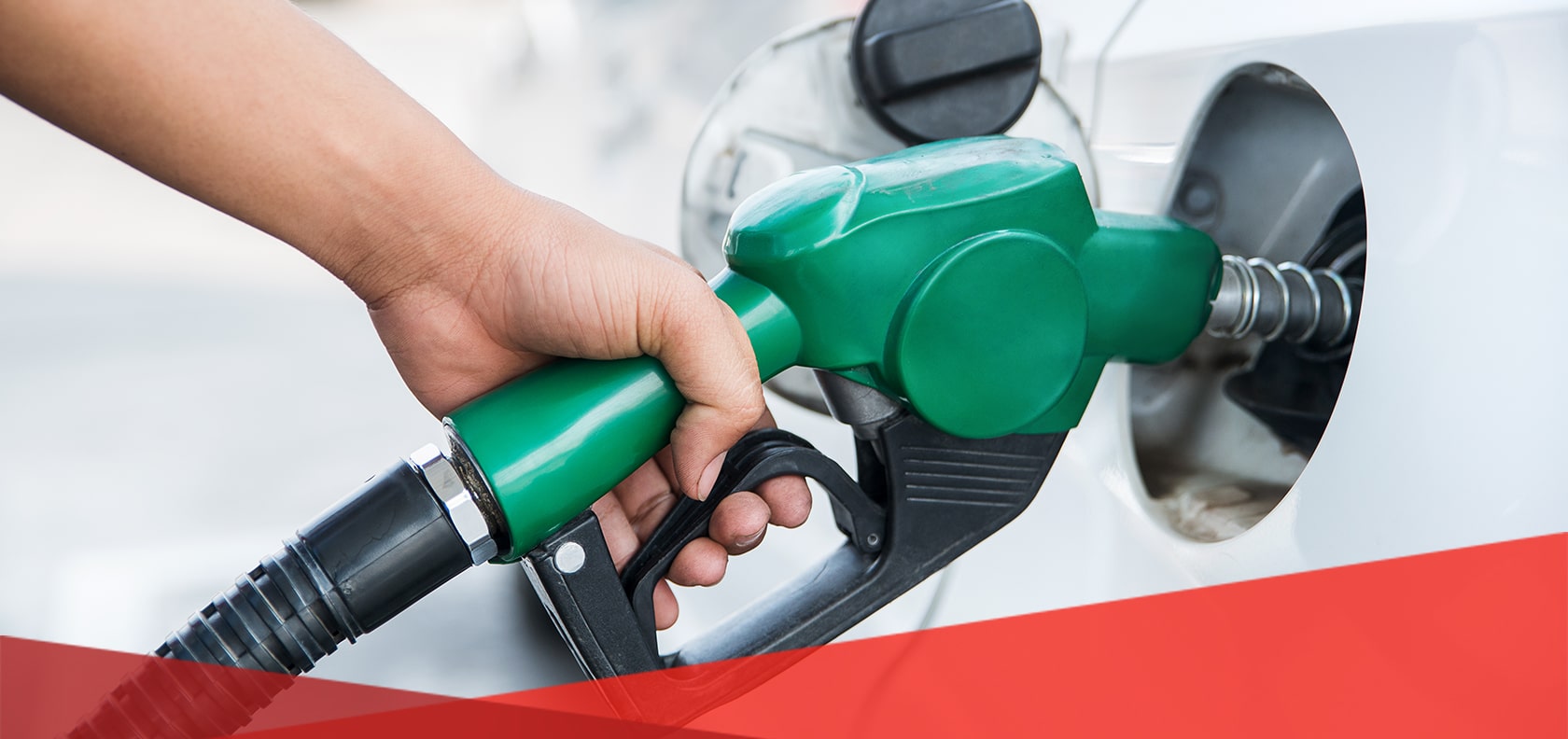
Fueling up in the early morning or late evening, when temperatures are cooler, can get you more for your money. Cooler temperatures mean denser gasoline, so you’ll receive slightly more fuel with each fill-up compared to warmer times of day.
Limit unnecessary idling
Many drivers let their cars idle without realizing how much fuel is wasted. Whenever possible, turn off your engine if you’ll be stopped for more than a minute. In cold climates, limit warm-up time to 60 seconds or less. Reducing idling saves gas and lowers emissions.
Drive calmly and safely
Aggressive driving doesn’t just cause accidents; it also wastes fuel. Rapid acceleration, hard braking, and speeding all decrease your gas mileage. To save fuel, drive calmly, obey traffic signs, use your signals, and try to maintain a steady speed.
Saving fuel on hilly roads
When driving through hilly areas, reduce fuel use by pressing the gas pedal gently as you climb and easing off at the crest. Then, coast downhill. Coasting uses less fuel and helps you return to your original speed without extra acceleration.
Learning fuel-efficient driving techniques not only saves money but also promotes safer driving habits. Make sure you also review your auto policy so you always have the right insurance coverage tailored to your individual needs. And if you’re not yet insured with Mapfre and live in Massachusetts, you can always get a fast, free quote on your car insurance policy by contacting an independent agent in your state.