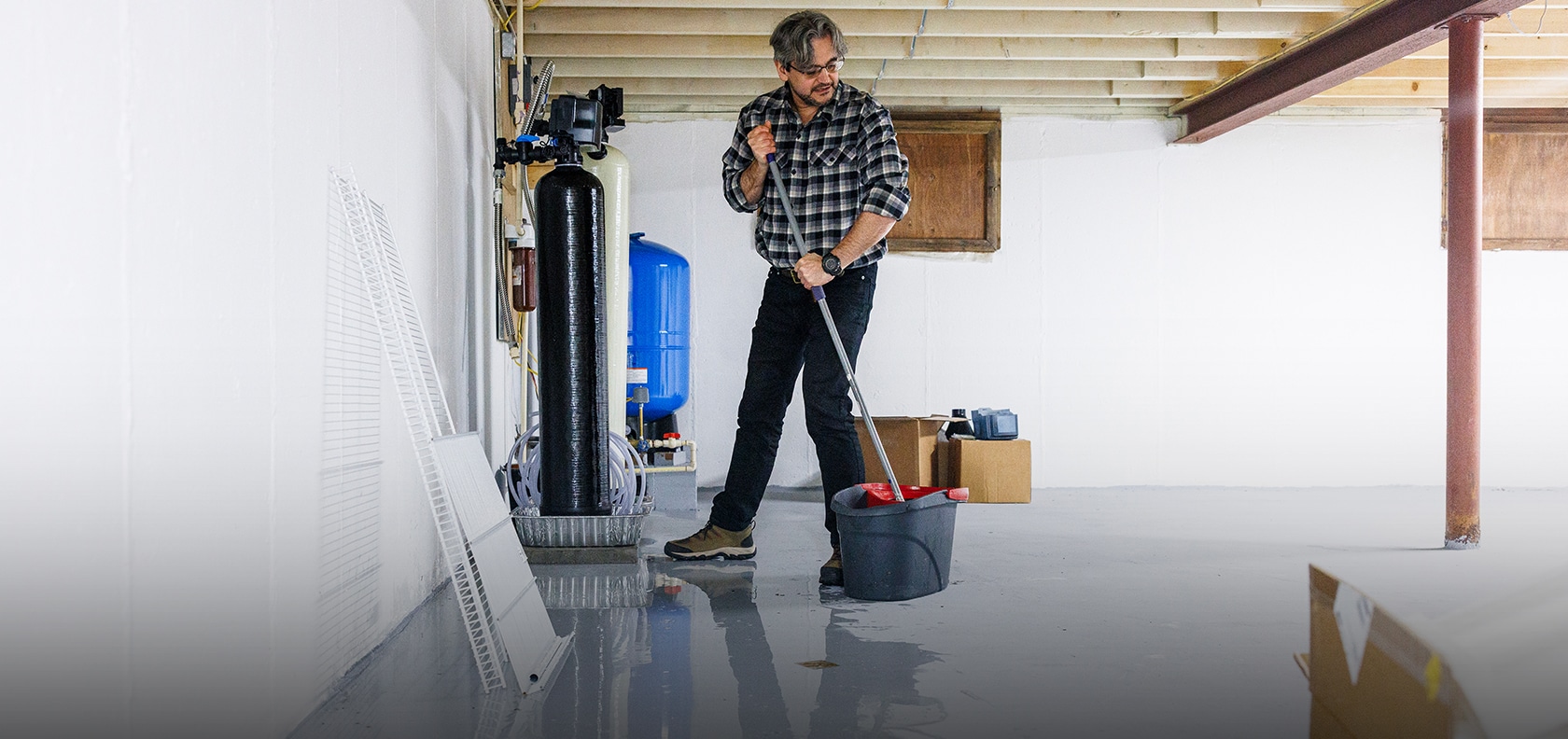
A flooded basement can devastate a home, causing extensive damage and necessitating costly repairs. According to iPropertyManagement, 98% of basements experience some form of water damage, with home water damage affecting approximately 14,000 people every day. Every year, home flooding costs average up to $34.3 billion, with one inch of floodwater costing a homeowner approximately $27,000.
Common causes of basement flooding
Experts at This Old House say that poor drainage around your home is the main reason basements flood. When water builds up near your foundation, it can seep inside through tiny cracks or weak concrete, allowing even more water to enter. Making sure the ground slopes away from your house and having a functioning drainage system are crucial for keeping water away from your foundation.
Other common causes of basement flooding include:
- Periods of heavy rainfall or rapid snowmelt
- Malfunctioning sump pumps
- Clogged gutters or downspouts
- Pipes that have burst or are leaking
- Municipal sewer systems that are experiencing backups
Preventing Basement Flooding
In addition to improving your home’s exterior drainage, you can take several proactive steps to keep your basement safe and dry, such as:
- Keeping your gutters and downspouts clear to allow rainwater to flow freely, preventing water buildup and damage.
- Inspecting your roof regularly for early signs of potential problems and leaks. Catching minor problems before they become major issues can help prevent expensive repairs.
- Trimming and cutting overhanging branches to protect your home from falling tree limbs.
- Installing a smart water leak detection system, such as LeakBot, to catch potential problems before they become major issues.
- Sealing any cracks in your basement or foundation to prevent water from seeping in.
- Replacing old pipes before they burst, sparing yourself from surprise leaks, expensive repairs, and major headaches.
- Replacing your washing machine hose every five years to prevent hidden leaks from flooding your home.
- Adding a sump pump to whisk away unwanted water before it becomes a problem.
- Installing a backwater valve to stop sewage from backing up into your basement during heavy rain.
What to do if you have a major leak
It is crucial to know where the main water shut-off valve for your home is located. Shutting off the water promptly during a leak can help minimize potential damage. The Insurance Information Institute also recommends installing an emergency pressure-relief valve in your plumbing system to reduce the risk of burst pipes.
Other things you should do to minimize flooding damage include:
- Turning your sump pump on.
- Removing wet items, including furniture and carpets, to prevent mold and mildew.
- Documenting damage and promptly notifying your insurance company.
Will homeowners insurance cover basement flooding?
A typical Mapfre homeowner’s policy protects against losses from major fires, heavy rainfall, or snow that harms your home’s interior or exterior. However, standard policies often exclude coverage for the following water damage situations:
- Flood damage – surface water.
- Water damage resulting from a lack of maintenance or negligence.
- Repair of a source of leak (e.g., water heater or washing machine).
- Water and sewer backup.
- Groundwater that enters through basement walls and floors.
For flood insurance, visit the National Flood Insurance Program (NFIP), managed by FEMA. NFIP’s network of agents and companies can explain your coverage options. Contact them at 877-336-2627 or use the NFIP insurance provider locator. If you already have NFIP flood insurance and need to file a claim, instructions are on their website.
We hope you find these tips helpful if you ever encounter flooding in your basement. When you are insured with Mapfre Insurance, you can add Water and Sewer Backup Coverage to your property coverage, as well as other endorsements to enhance your protection. Contact your independent agent at any time to discuss your options. Not insured with Mapfre? Get a fast, free online quote and see how much you could save today.