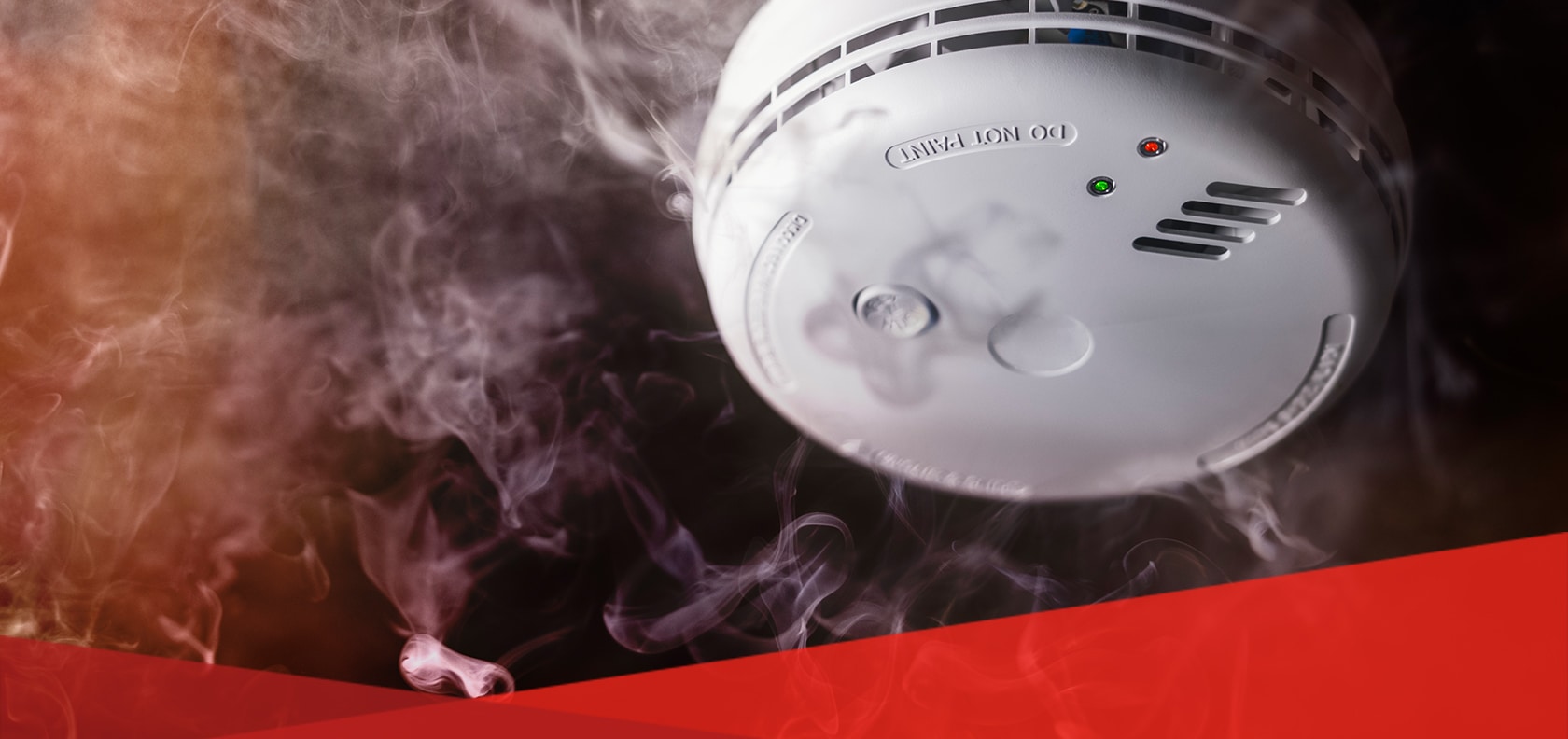
While most home owners know the importance of having smoke alarms, almost three out of five fire fatalities from 2014 to 2018 happened in properties with no alarms or where alarms failed to operate, according to a report by the National Fire Protection Association.
In homes with working smoke alarms, fire officials reported 22% of those killed had been alerted by the alarm but failed to respond. Eleven percent were not alerted by the working smoke alarm.
To keep your family safe, you should have a working smoke alarm on every floor – preferably in every bedroom. The Consumer Product Safety Commission has the following recommendations to make sure your home smoke alarms are properly installed and maintained:
- Install smoke alarms on every level of your home, inside bedrooms and outside sleeping areas
- Test smoke alarms every month
- Replace batteries annually
- When shopping for smoke alarms, consider interconnected alarms as they allow other alarms in the home to sound if one has detected smoke
- Have a fire escape plan and practice it with all family members twice a year
- If a fire occurs in your home, GET OUT, STAY OUT and CALL FOR HELP. Never go back inside
Having carbon monoxide alarms in your home are just as important as smoke alarms. Carbon monoxide (CO) is a poisonous, colorless and odorless gas which is impossible to detect without an alarm. The U.S. Fire Administration estimates more than 150 people die every year from accidental carbon monoxide poisoning. These types of incidents happen when things like appliances, equipment and vehicles are faulty, improperly used or not properly vented.
While you should have a carbon monoxide detector installed in your home, the Consumer Product Safety Commission wants you to be aware of the symptoms of poisoning which include:
- Headache
- Fatigue
- Shortness of breath
- Nausea
- Dizziness
- Mental confusion
- Vomiting
- Loss of muscular coordination
- Loss of consciousness
- Death
As with smoke alarms, carbon monoxide detectors should be installed on each level of the home and outside sleeping areas. The batteries should also be tested monthly.
Hopefully these tips about protecting yourself and your loved ones from smoke or carbon monoxide were helpful. You can always get a fast, free quote today to see if you could save on your home and auto insurance in Massachusetts.