Get covered in minutes!

Car

Property

What You Need to Know When Burning Candles

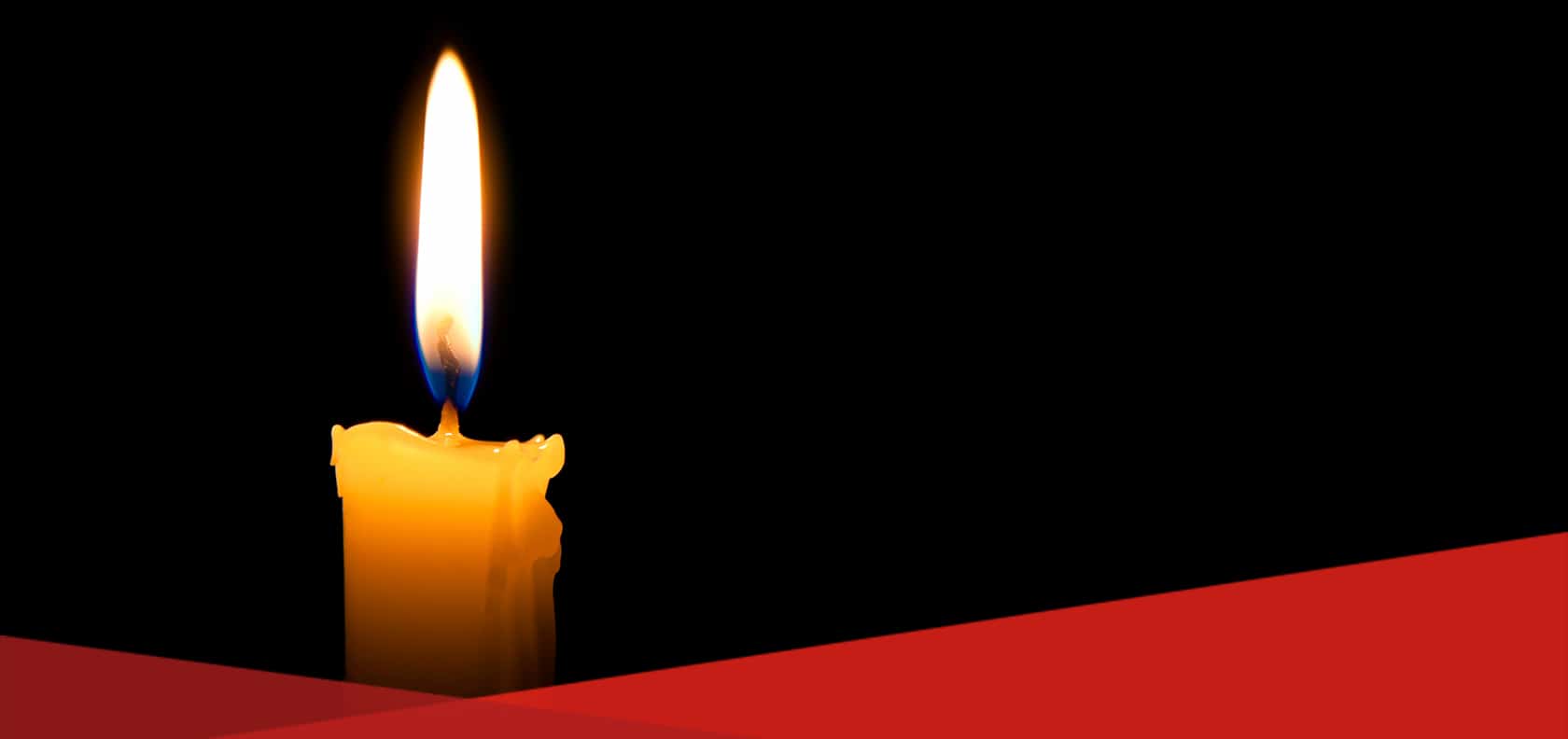
There are few things as tranquil, and beautiful as a candle burning inside as snow falls outside. But a candle is an open flame and should be treated as such.

Fire departments across the country responded to an estimated 7,400 home fires started by candles between 2015 and 2019, according to the National Fire Protection Association. Those fires caused an annual average of 90 deaths, 670 injuries, and $291 million in property damage, the agency reported.

To avoid the risk of things catching fire inside your home, follow these tips by the NFPA when using candles:

  • Blow out all candles when you leave the room or go to bed, making sure the wick ember is no longer glowing
  • Avoid using candles in the bedroom and other areas where people may fall asleep
  • Keep candles at least one foot away from anything that can burn
  • Keep candles away from anything that could catch fire like furniture, drapes, bedding, carpets, books, paper, flammable decorations, etc. Make sure all candles are out of reach of children and pets
  • Trim candlewicks to ¼ inch each time before burning as long or crooked wicks can cause uneven burning and dripping
  • Use a candle-holder that is sturdy and specifically designed for candle use
  • Keep burning candles away from drafts, vents, ceiling fans and air currents to help prevent rapid, uneven burning, and avoid flame flare-ups and soot buildup.
  • Always burn candles in a well-ventilated room
  • Don’t burn a candle all the way down; extinguish the flame if it comes too close to the holder or container
  • Place burning candles at least three inches apart from one another to help ensure they don’t melt one another, or create their own drafts to cause improper burning
  • Never extinguish candles with water as this can cause the hot wax to splatter and might cause a glass container to break

If you are dealing with a power outage, fire officials recommend using flashlights and other battery-powered lights as they are safer sources of light.

Please Note: This content is not intended to describe any specific coverage offered by Mapfre Insurance. No coverage is provided, bound or guaranteed by this article. Available coverages, credits and discounts vary from state to state and are subject to eligibility criteria and policy terms/conditions, which will control in the event of conflict between this article and your insurance policy. For information about your policy, please review your individual policy contract and speak with your insurance representative.

Mapfre Insurance® is a brand and service mark of Mapfre U.S.A. Corp. and its affiliates, including American Commerce Insurance CompanySM (Cal. COA 4928-8), Citation Insurance CompanySM, The Commerce Insurance CompanySM, Commerce West Insurance CompanySM (Cal. COA 1372-2), Mapfre Insurance CompanySM (Cal. COA 3039-5), and Mapfre Insurance Company of FloridaSM.

Articles

How to prevent car accidents in busy parking lots

How to prevent car accidents in busy parking lots

Parking lots and garages at malls and supermarkets can be riskier than you think, particularly on weekends and during the holiday season when traffic surges. According to the National Safety Council (NSC), tens of thousands of crashes happen in parking lots and...

read more
How to avoid common plumbing problems

How to avoid common plumbing problems

Every homeowner deals with plumbing problems sooner or later, whether it’s a dripping faucet or a toilet that just keeps running. Ignoring small issues can lead to bigger, more expensive repairs and plenty of headaches. By knowing what to watch for, how to prevent...

read more
10 tips for driving safely at night

10 tips for driving safely at night

Night driving comes with its own set of challenges. When it gets dark, it’s harder to see what’s ahead, judge distances, or spot things out of the corner of your eye. Headlights from oncoming cars can cause glare and make it tough to see for a few seconds. Even with...

read more